

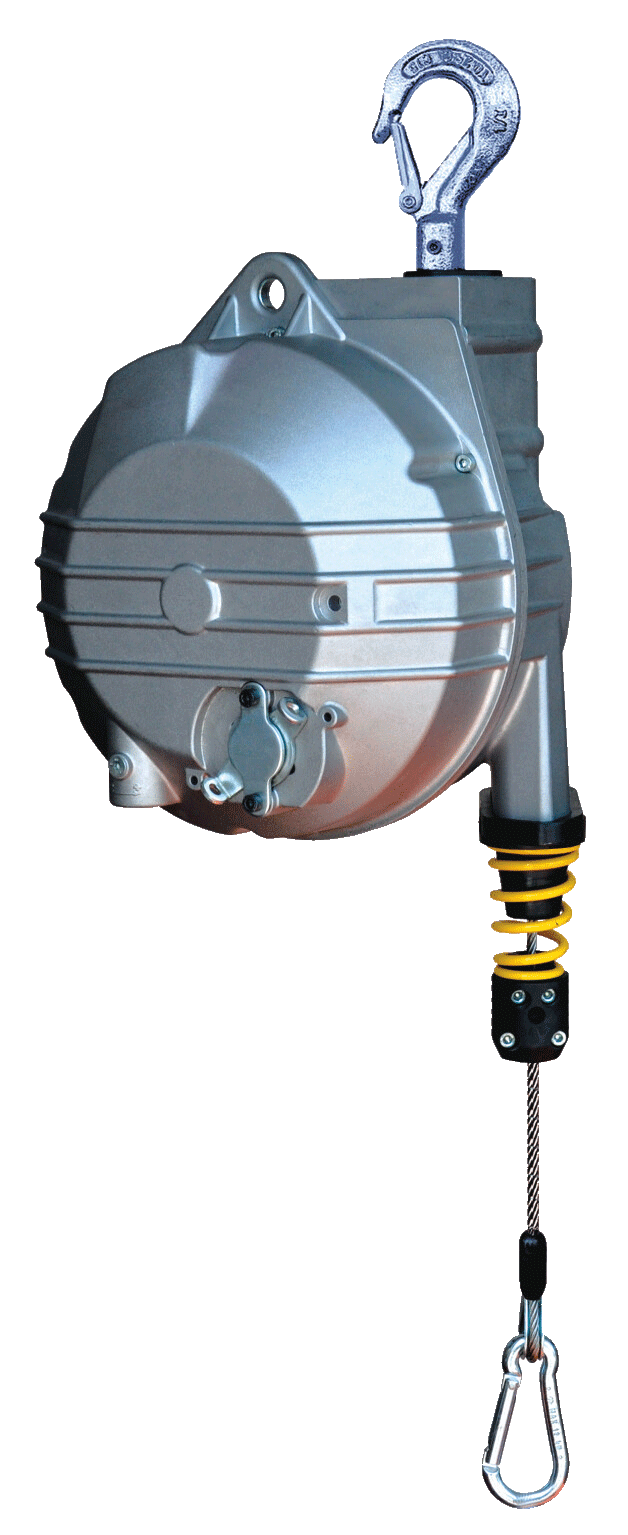
Spring Balancer

In transport logistics, spatial distances need to be bridged daily, with optimizing these transport routes being a top priority. This involves not only the machinery but also improving the interaction between people and machines to shorten distances and streamline processes as efficiently as possible.
At TORWEGGE, we are dedicated to this challenge and offer a comprehensive range of handling technology to enhance efficiency in assembly, production, and storage operations.
Browse our online shop and discover our extensive selection of handling technology products designed to create ergonomic workplaces for your employees!
Spring Balancer
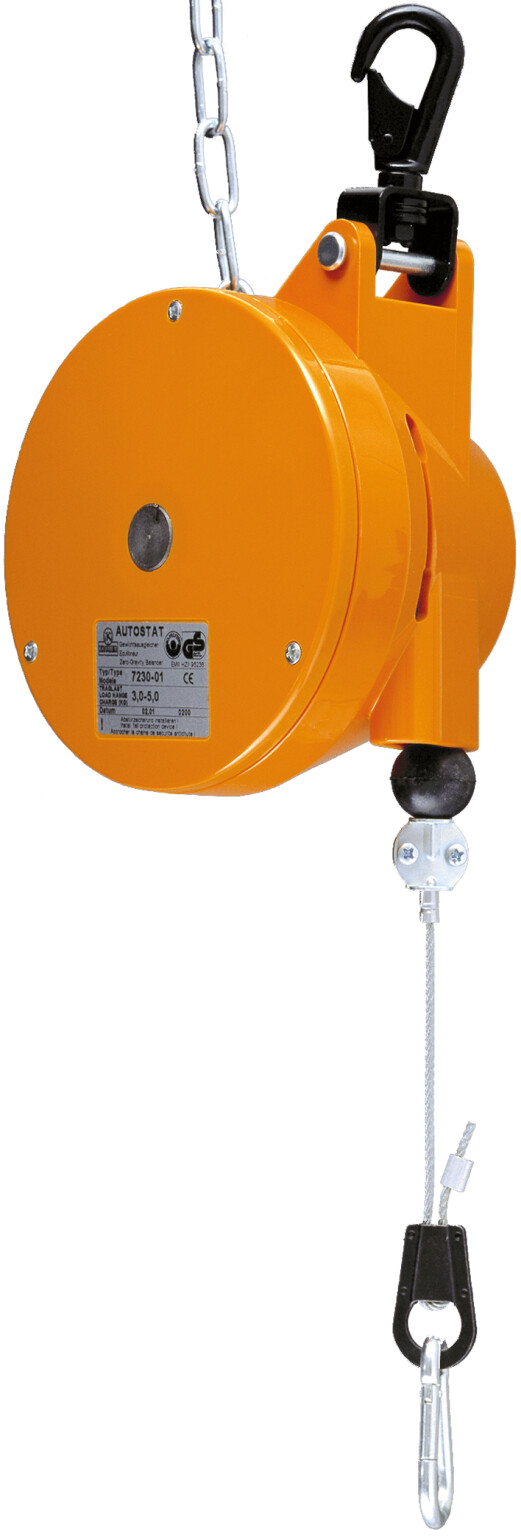
Tool Balancer
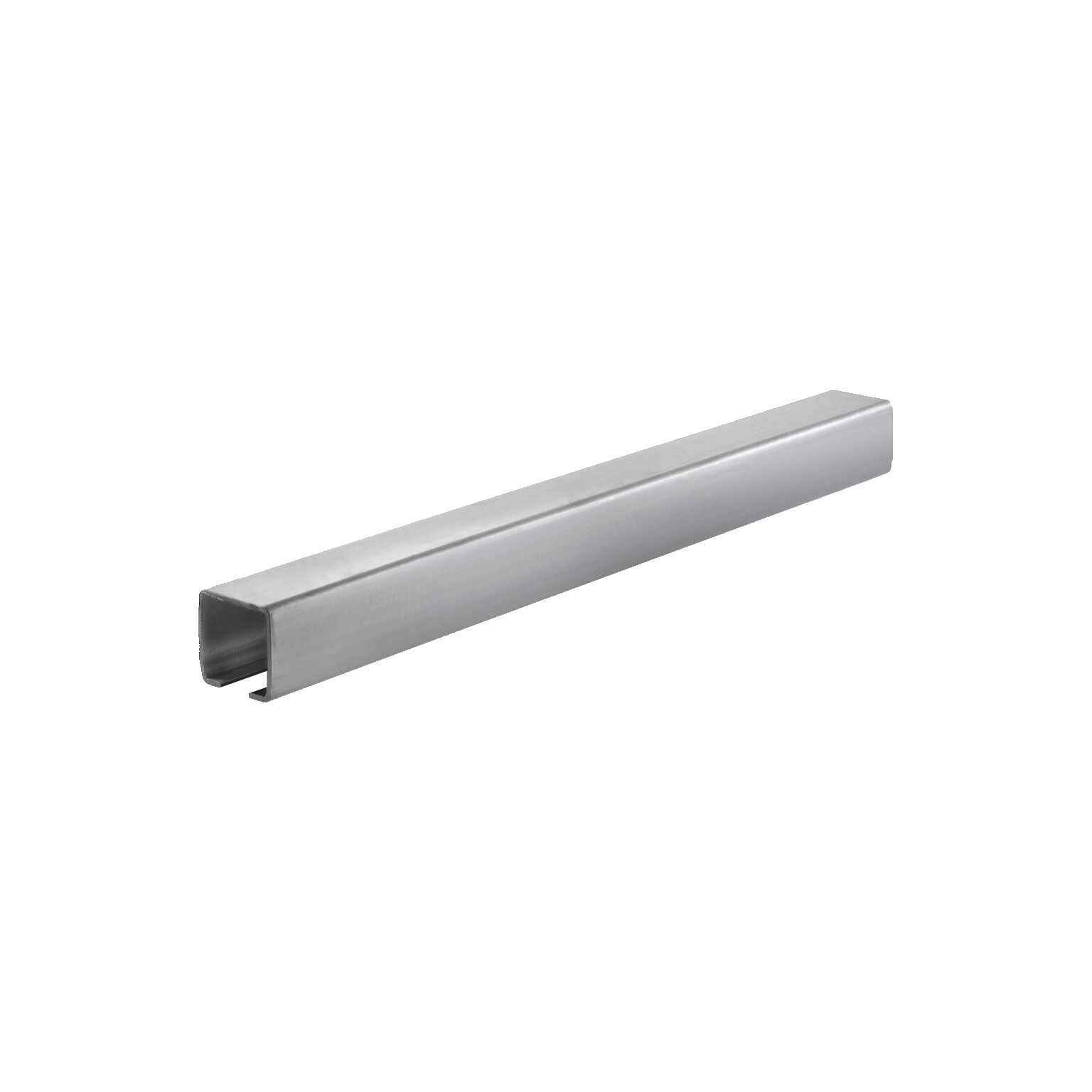
C-Rails
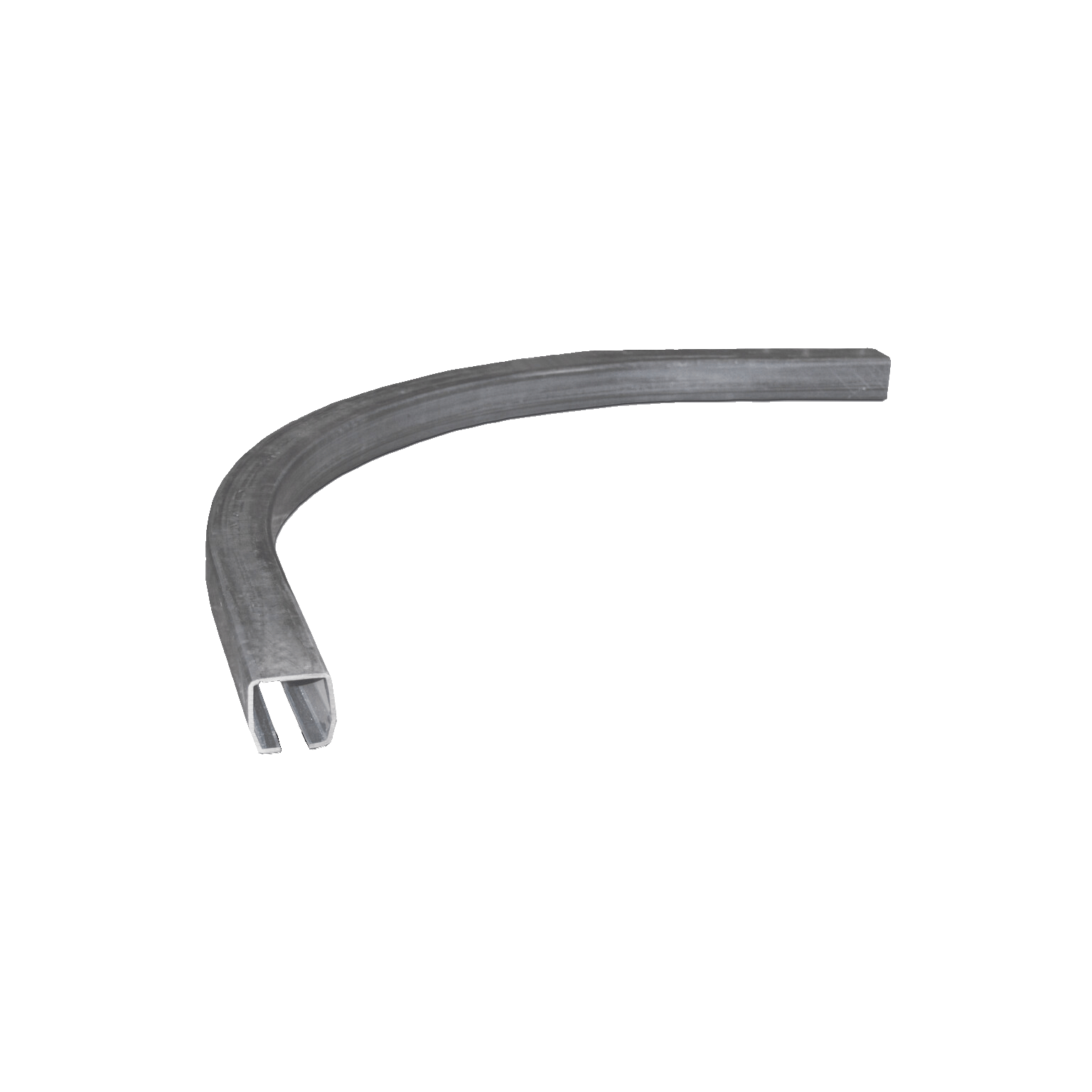
90° Bends
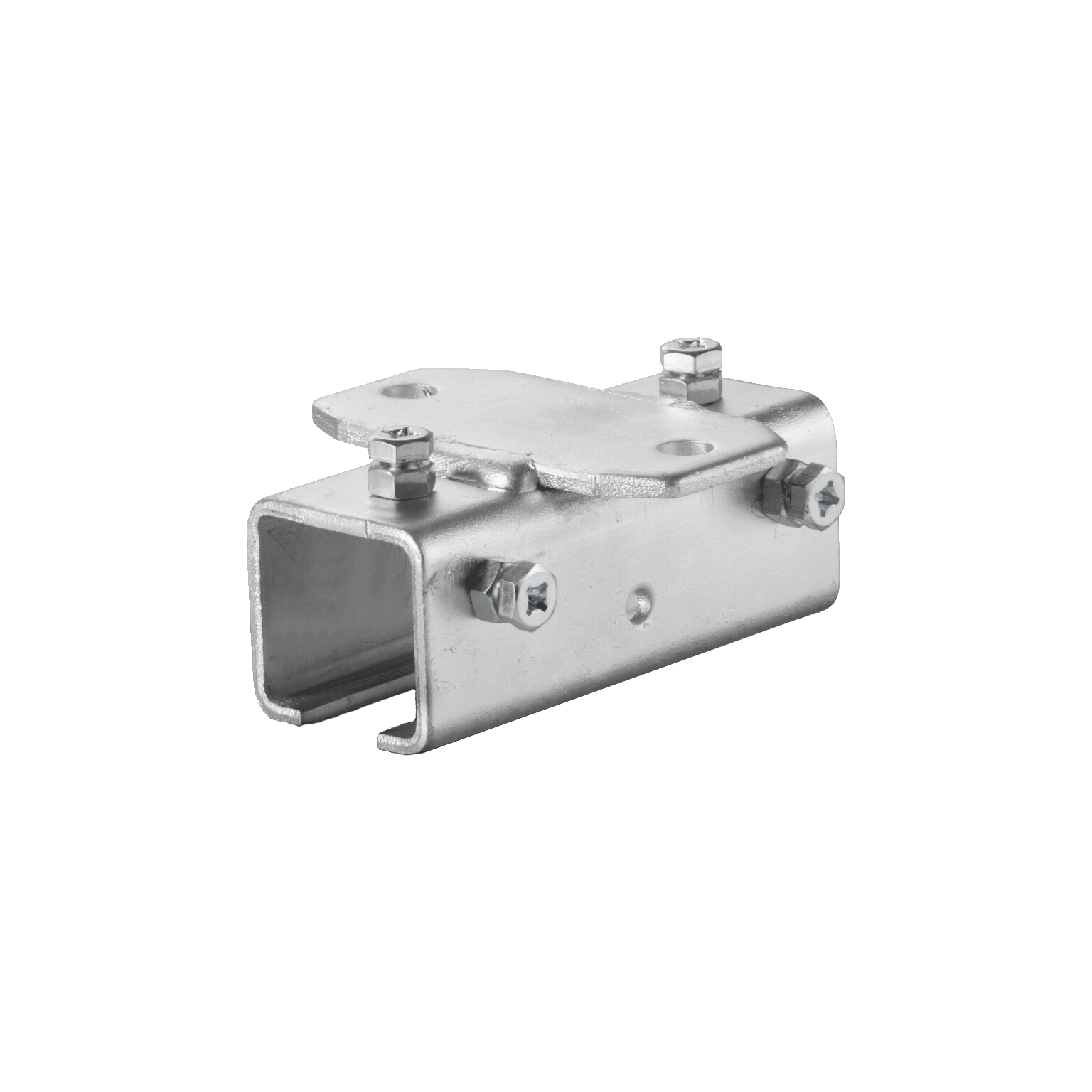
Rail Connectors
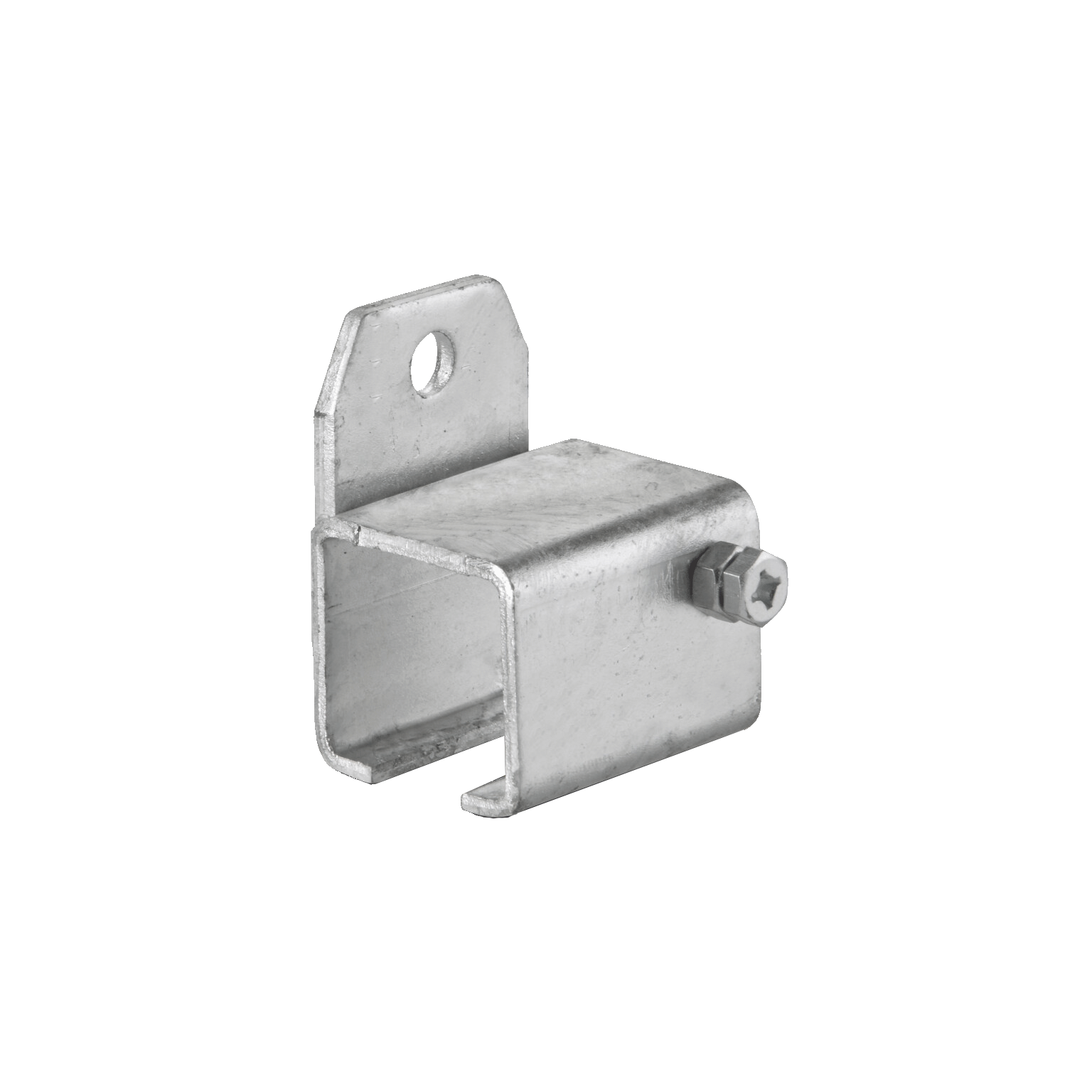
Rail Holders and Fasteners
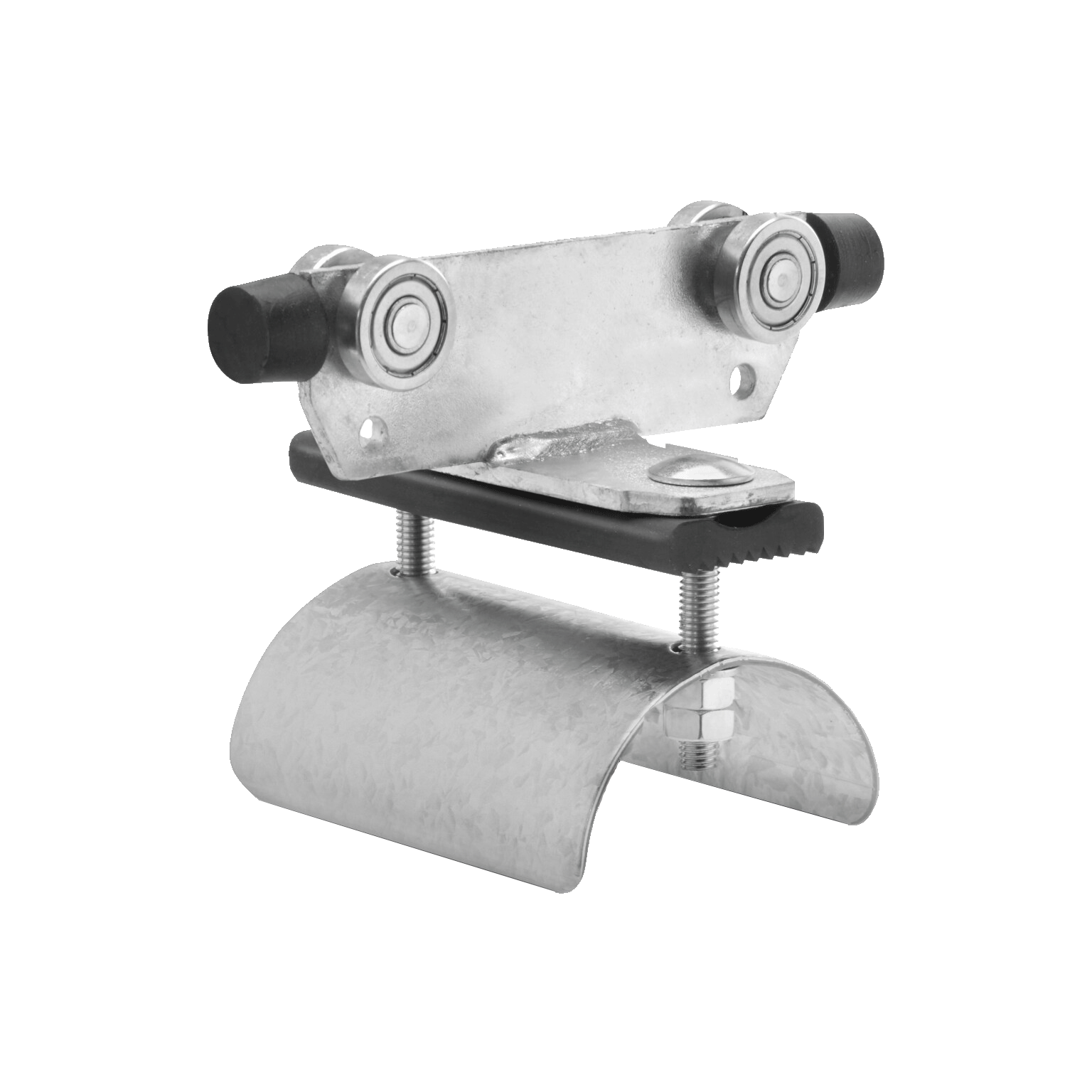
Cable Trolleys
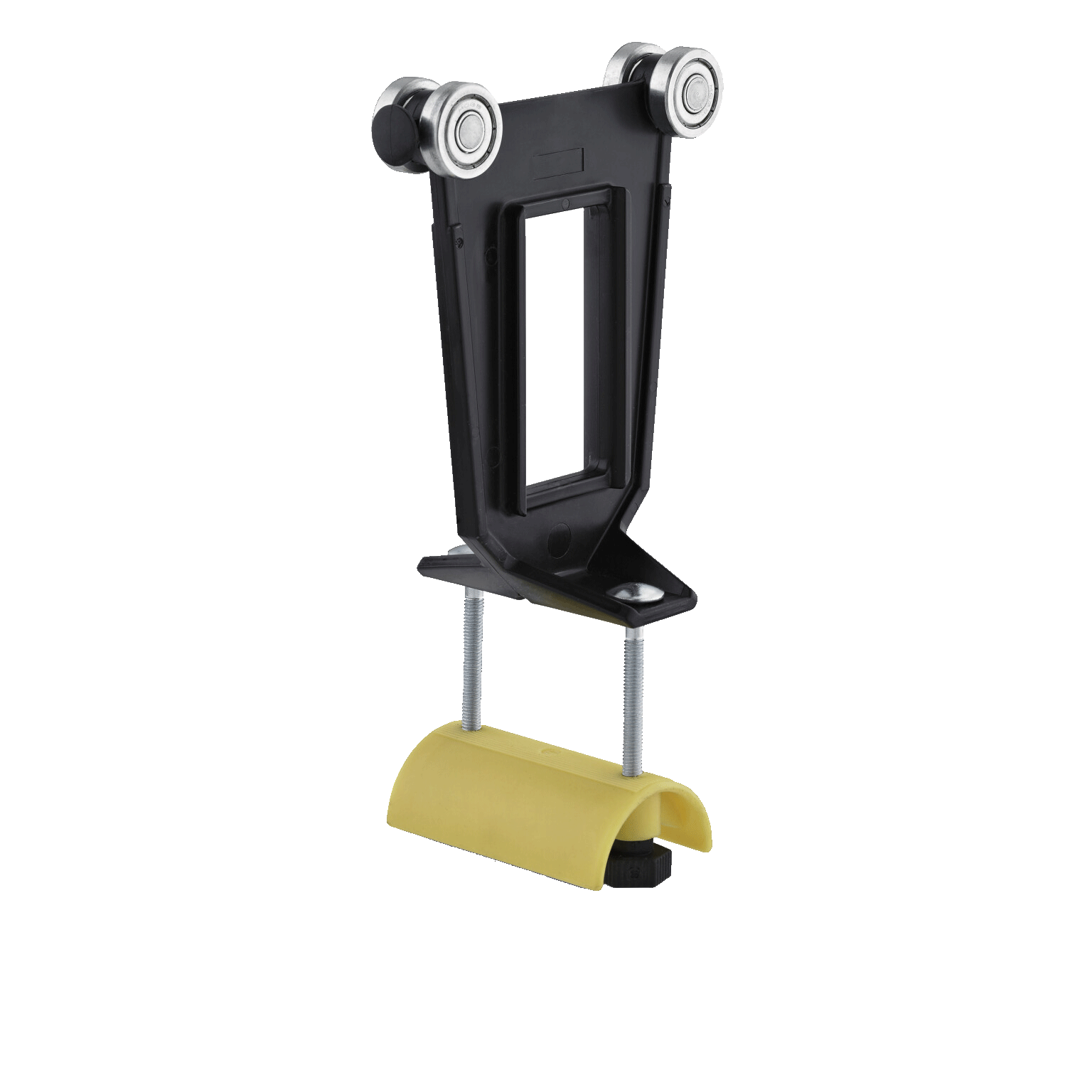
Towing Trolley
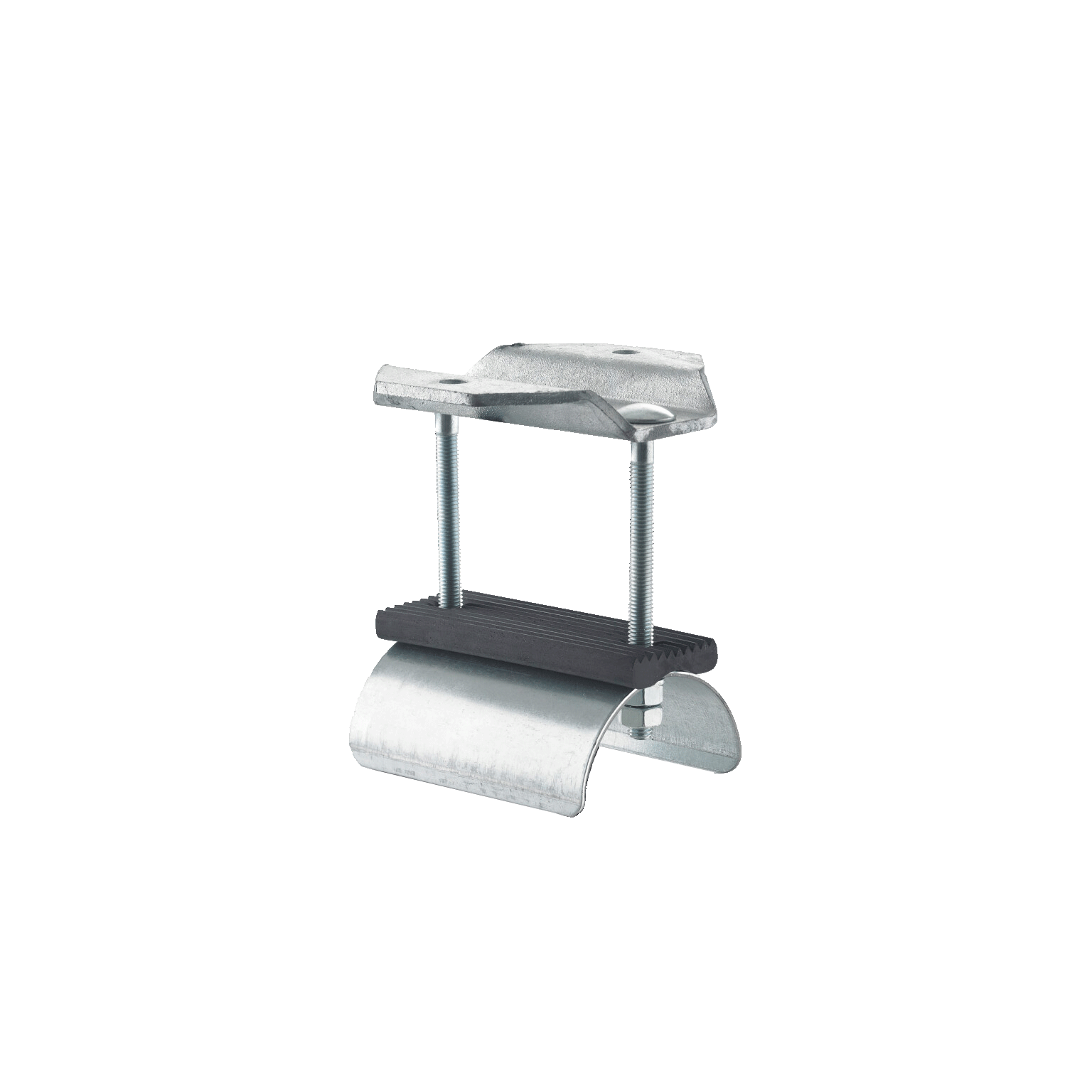
End Clamps
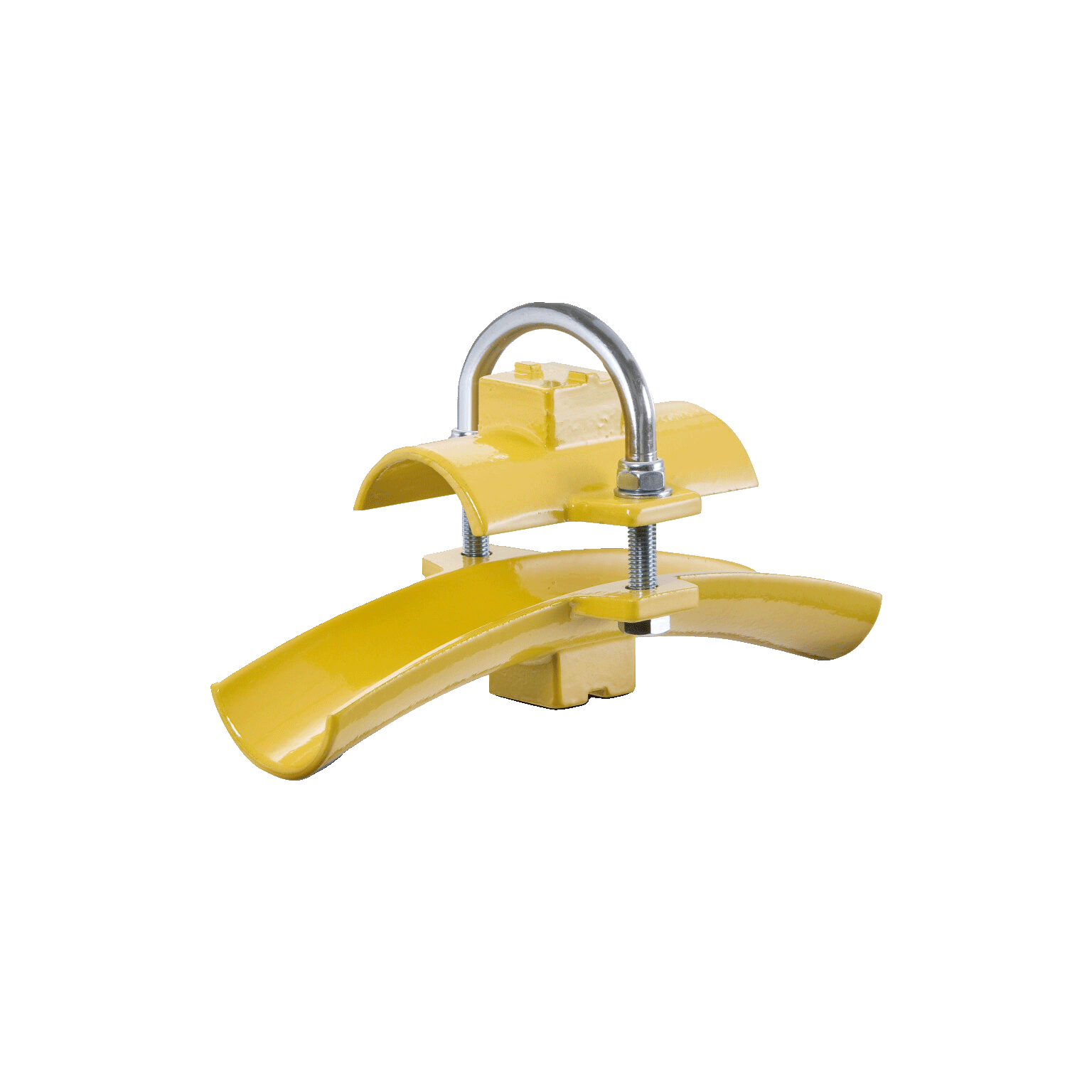
Accessories C-Rail System
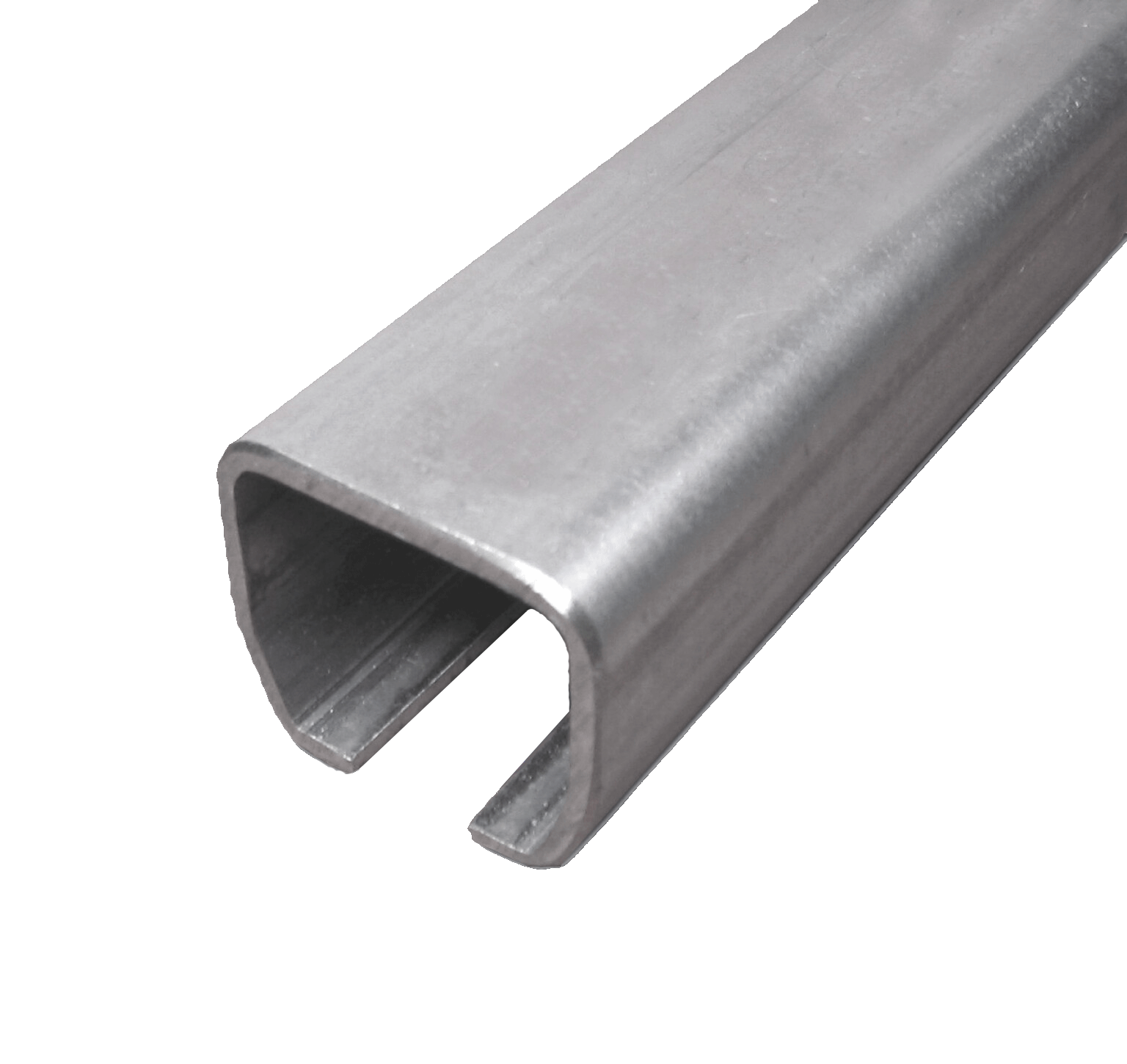
C-Rails
90° Bends
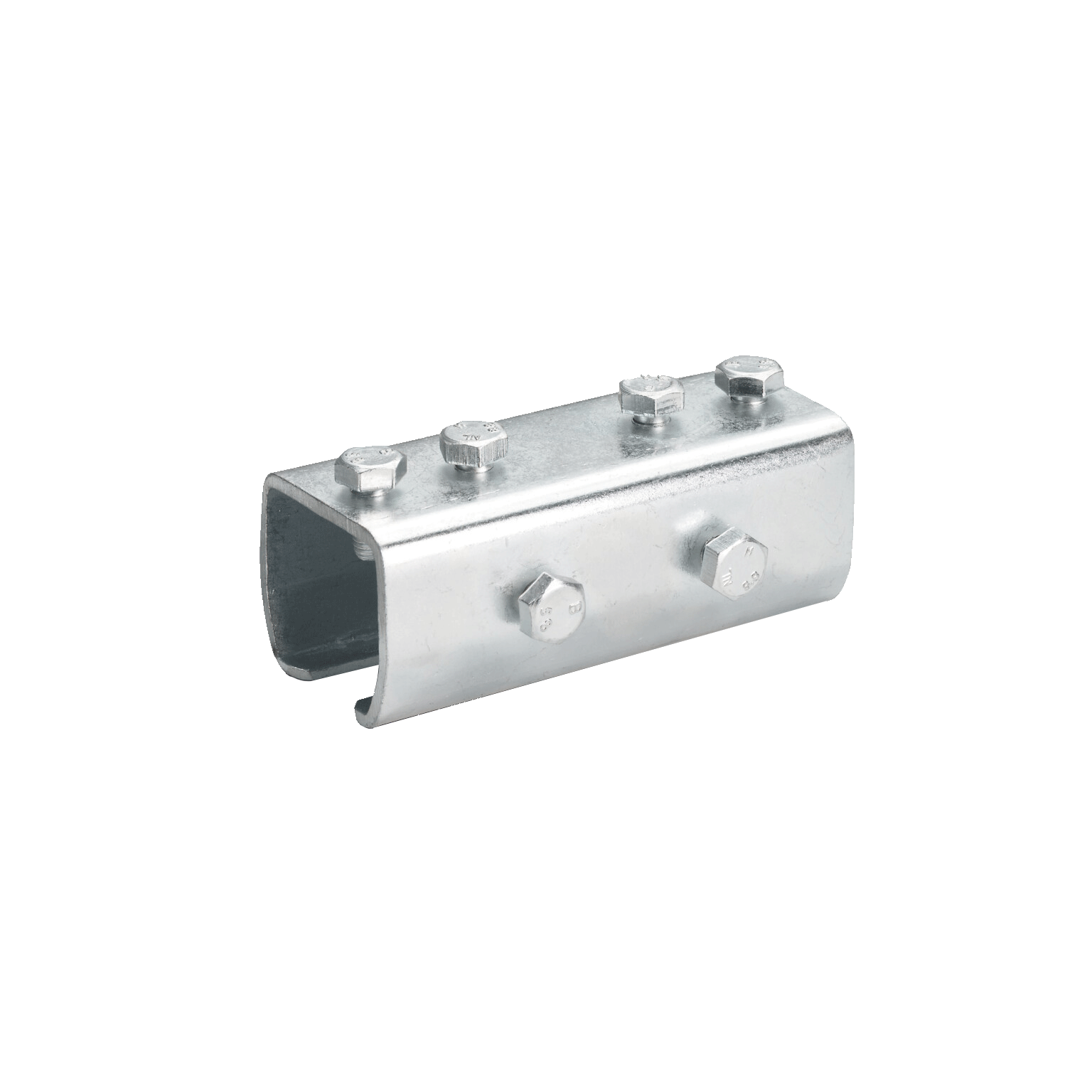
Rail Connectors
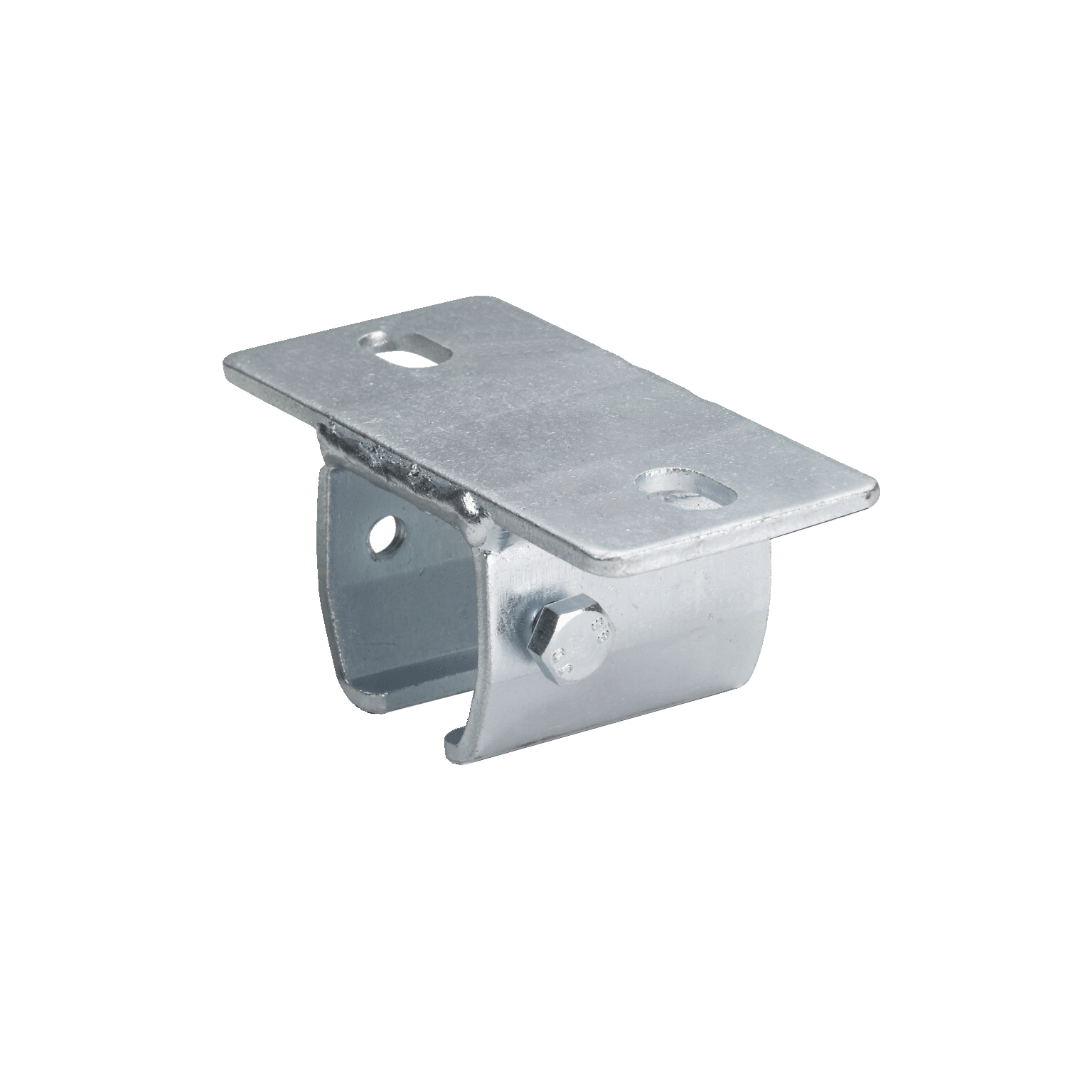
Rail Holders
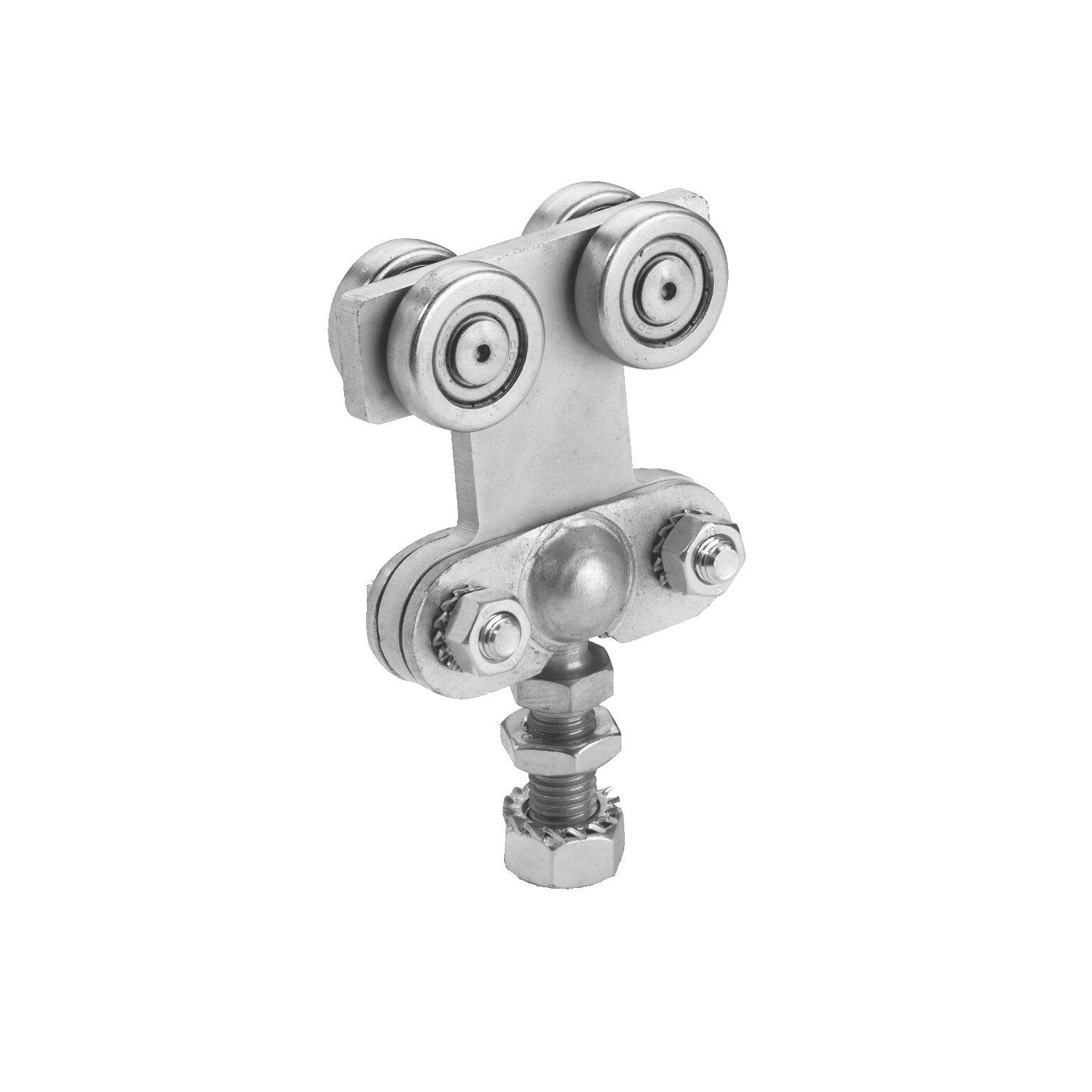
Carrying Hook
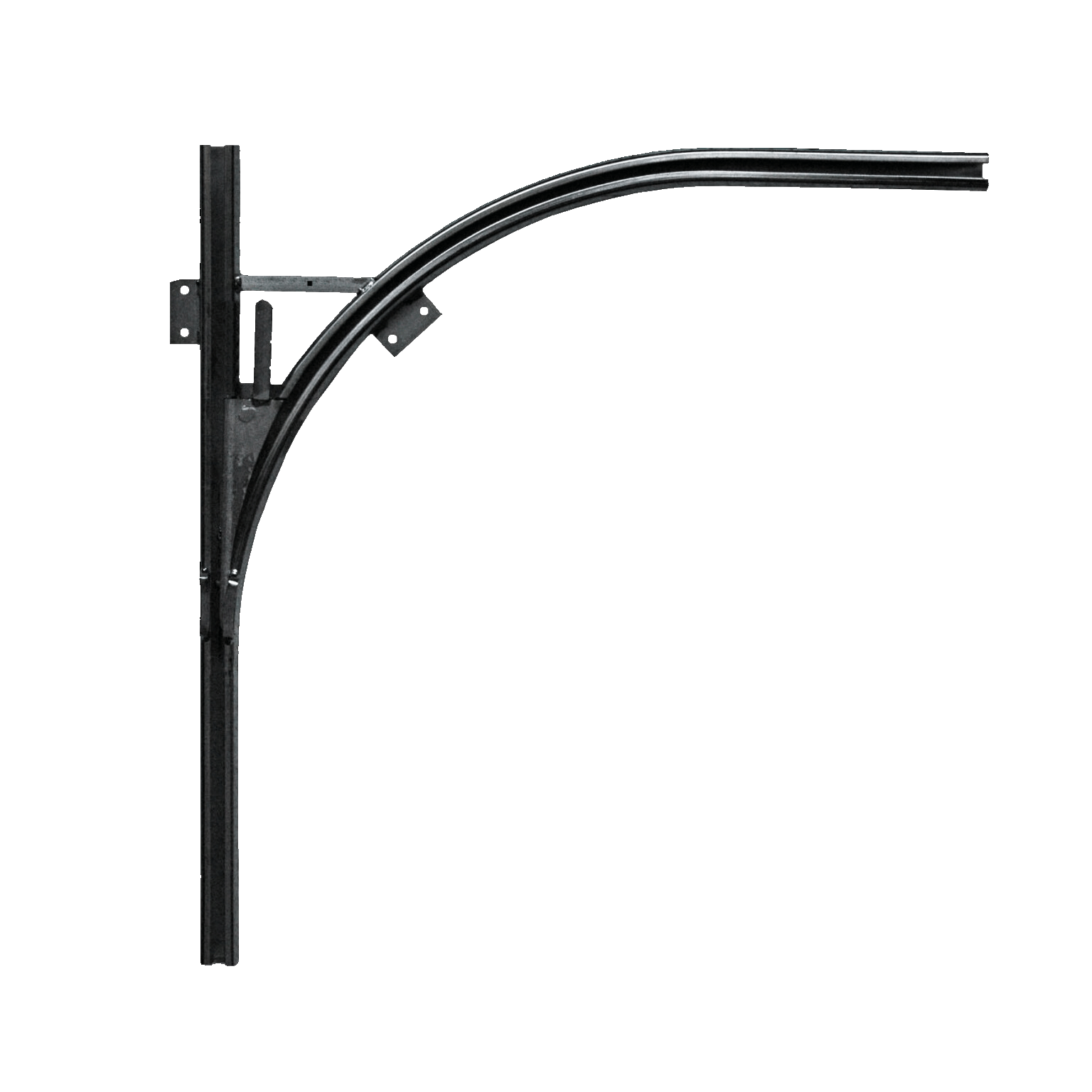
Switch Tracks
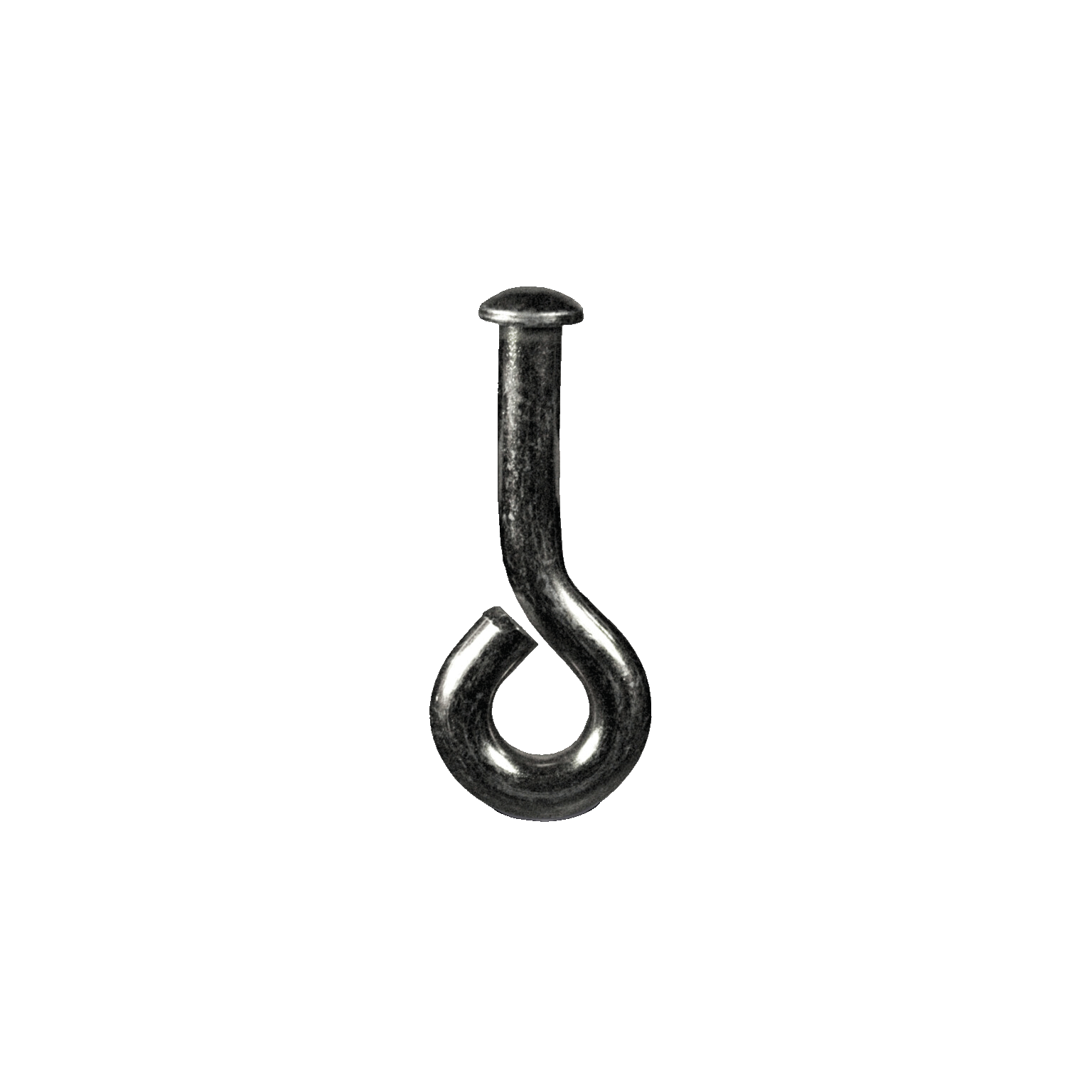
Accessories Overhead Conveyor System
C-Rails
90° Bends with Straight Section
Rail Connectors
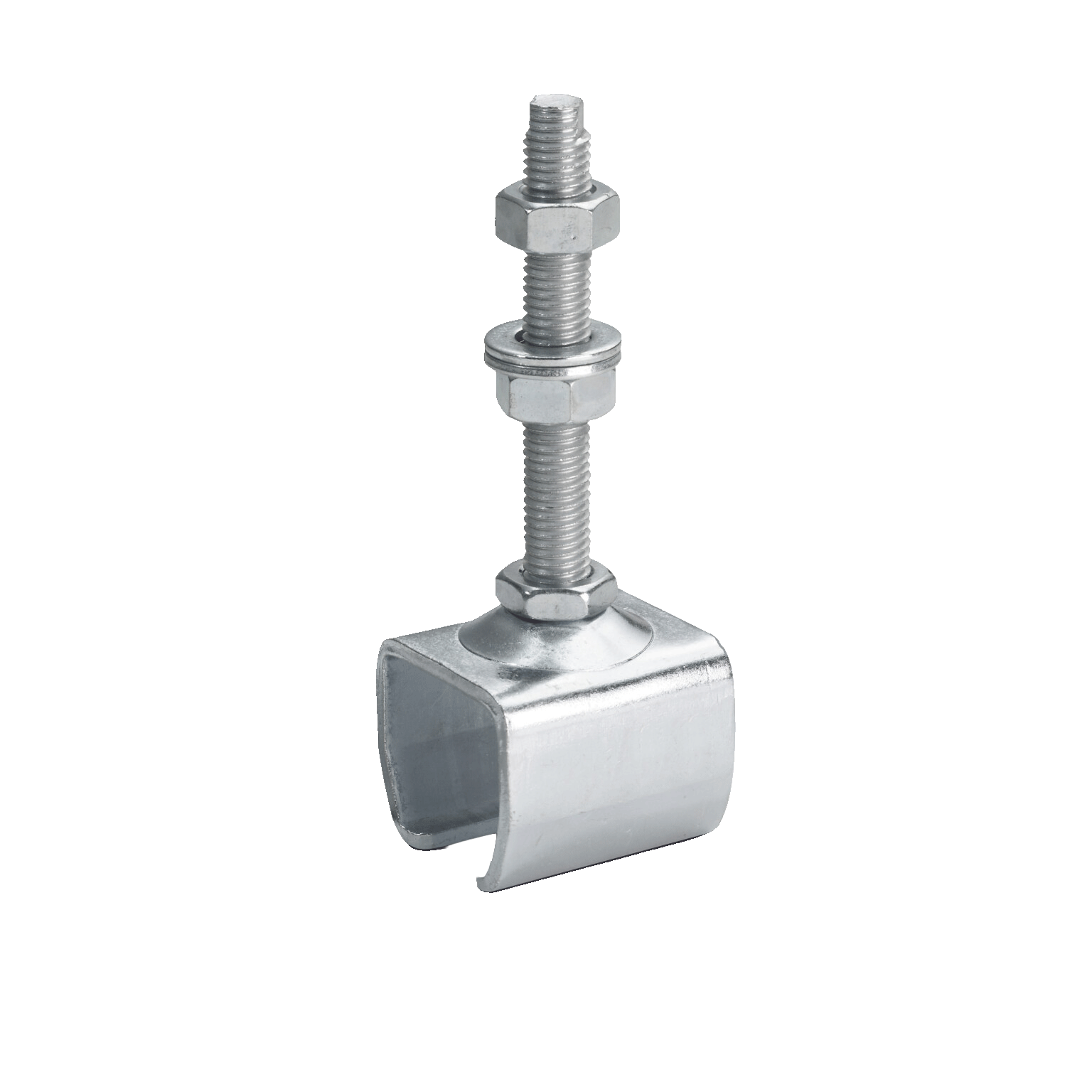
Rail Holders
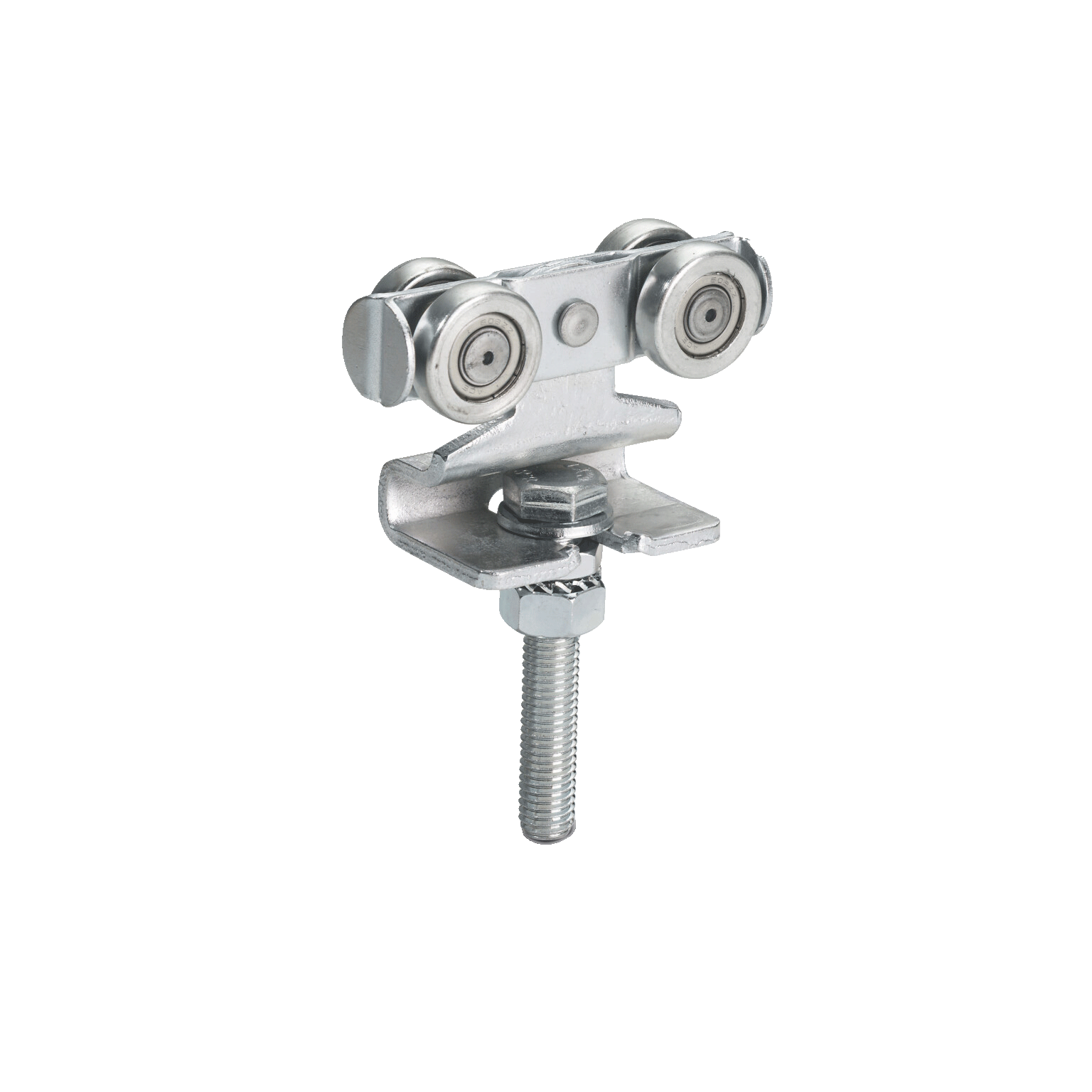
Carrying Hook
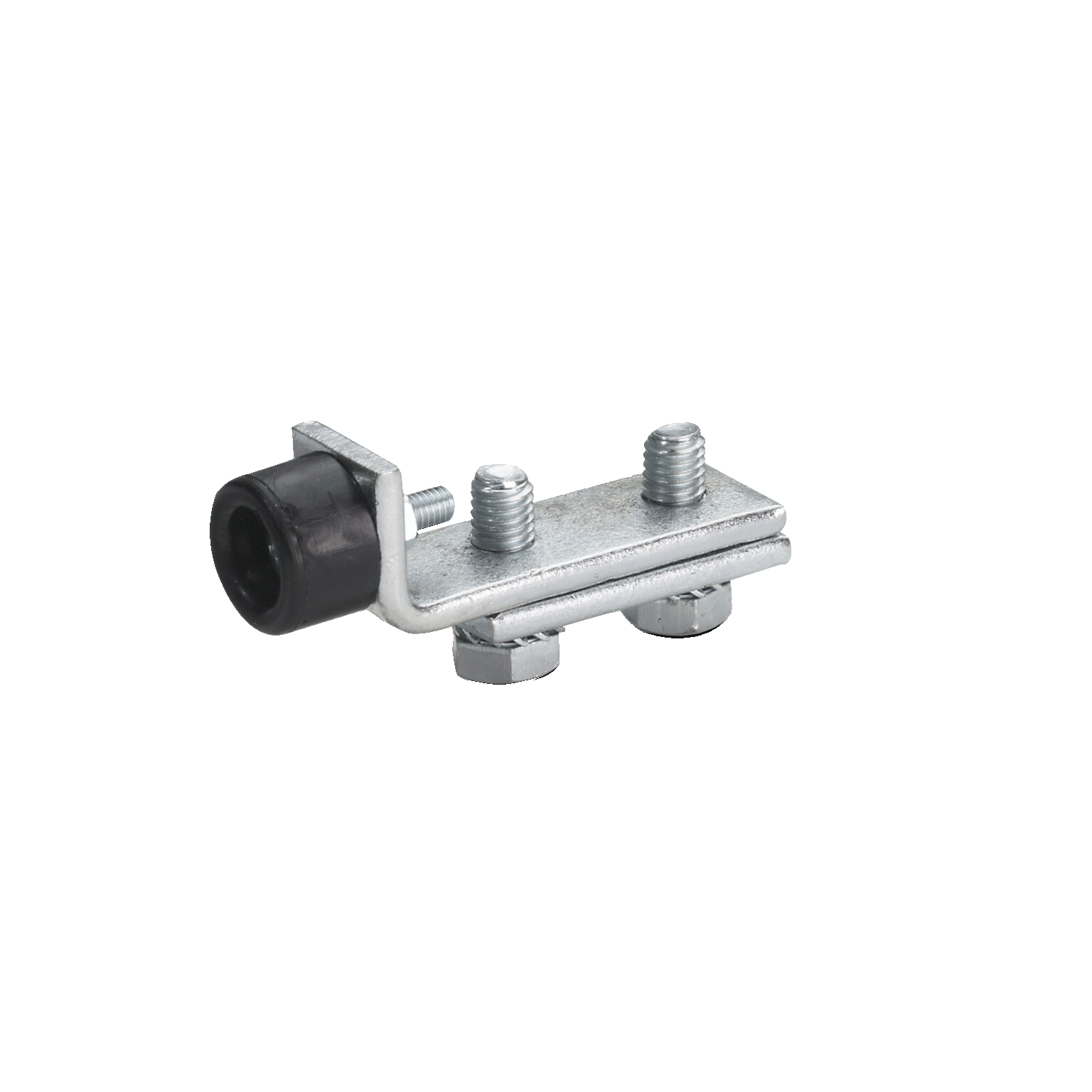
End Stops
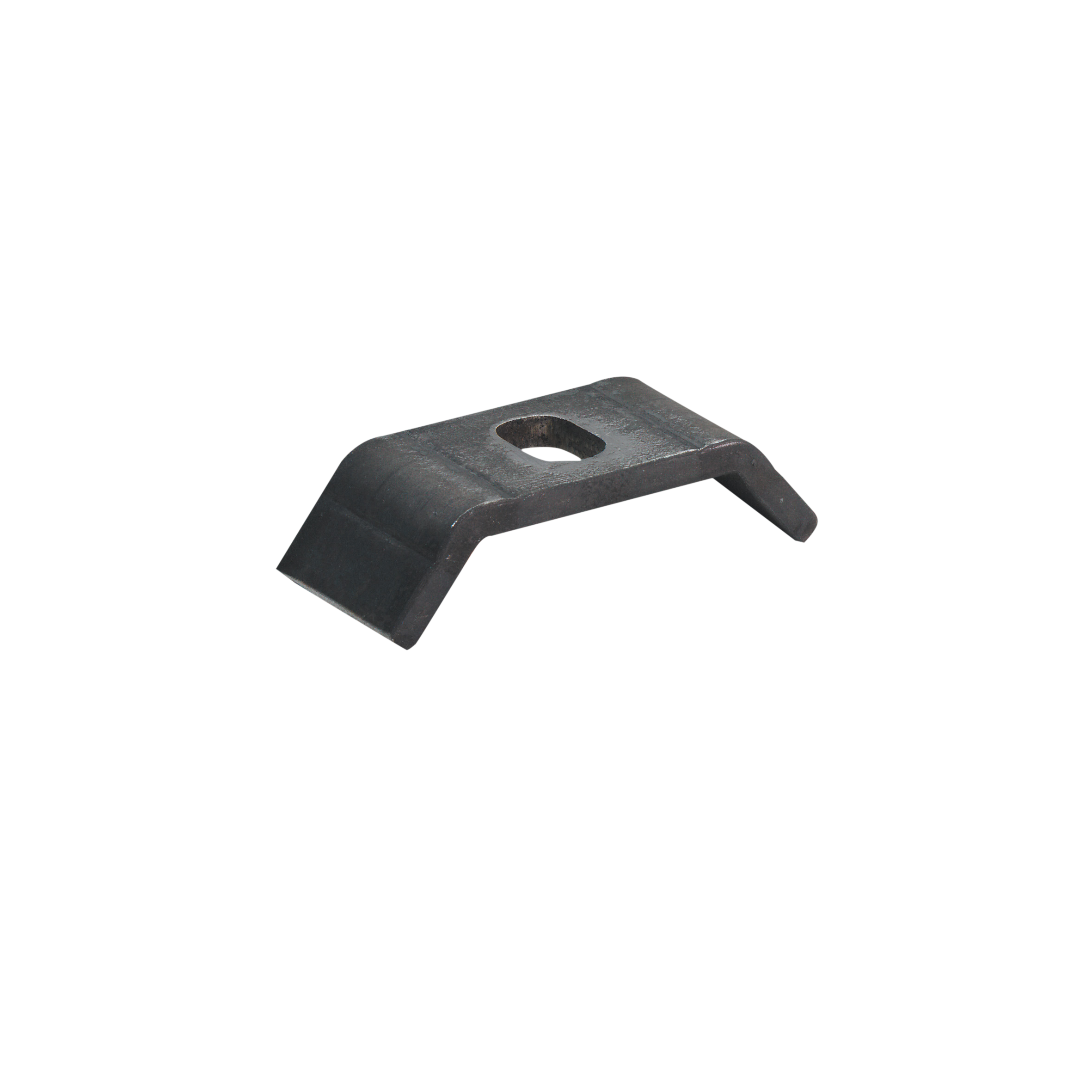
Accessories Overhead Conveyor Systems Stainless Steel
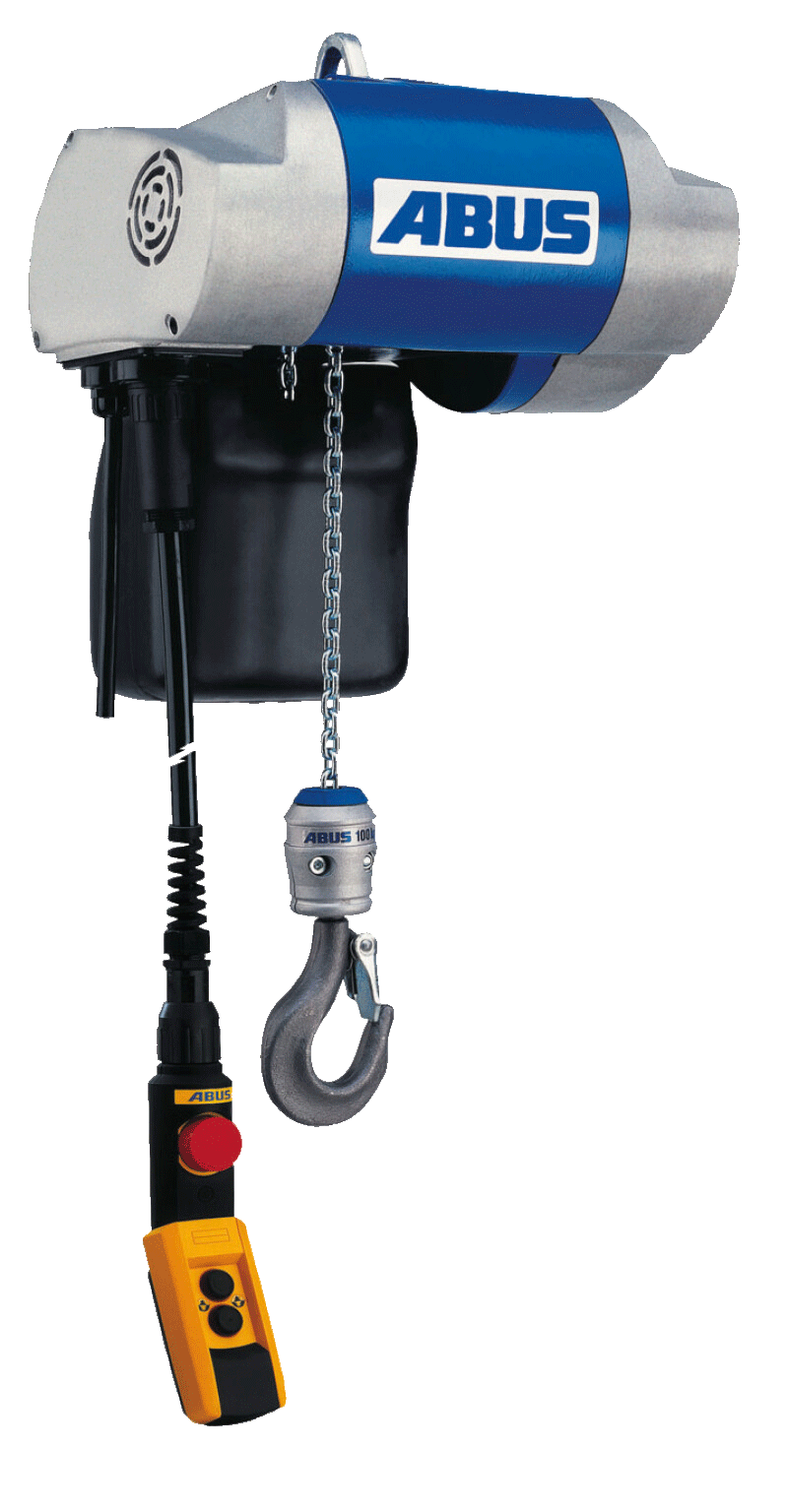
Chain Hoist
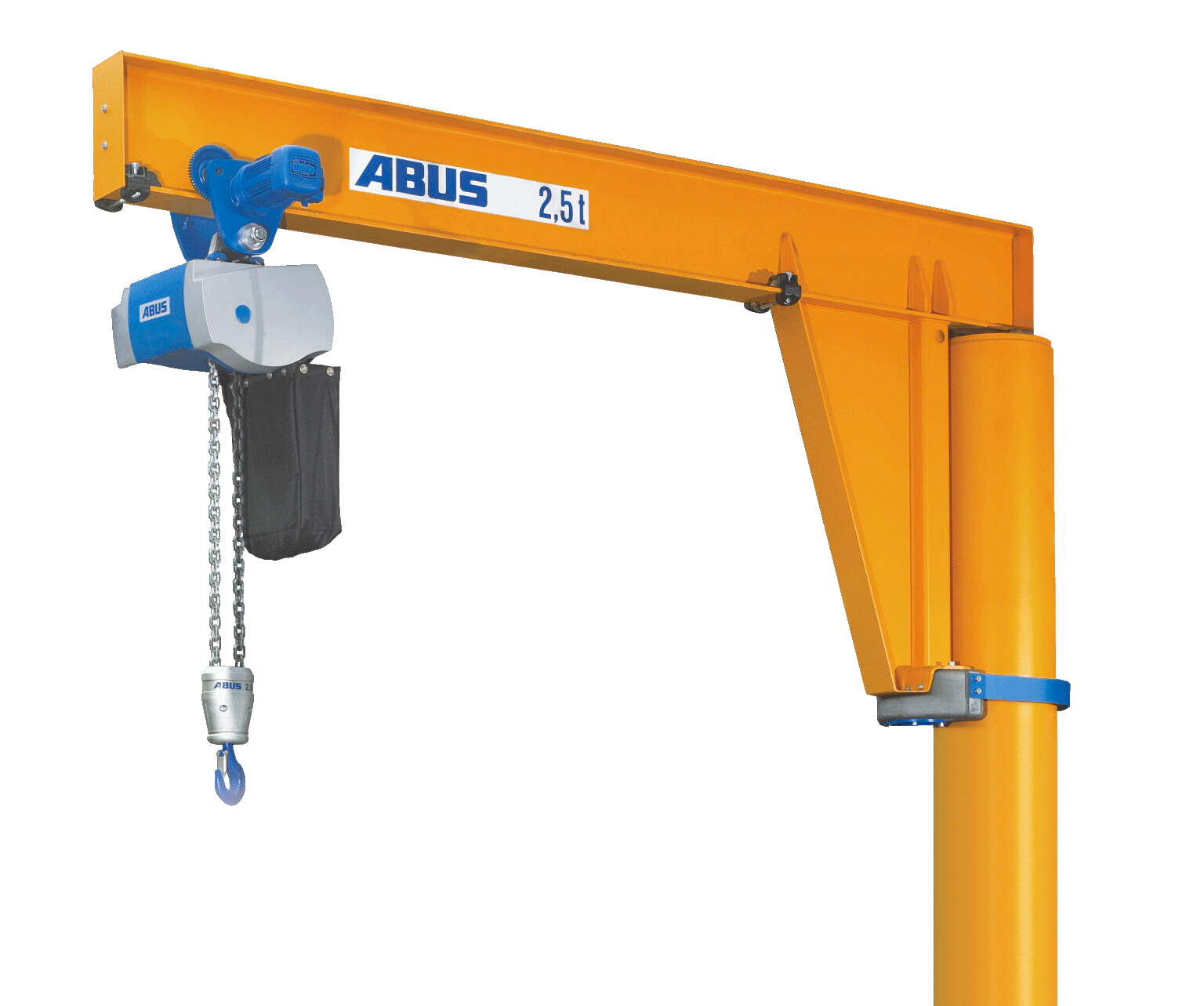
Slewing Jib Cranes and Jib Booms
According to the VDI (Association of German Engineers), “handling as a subfield of material flow encompasses all logistical processes in assembly, such as storing, provisioning, allocating, merging, rotating, shifting, positioning, passing, holding/releasing, and controlling.” In essence, it refers to the technical transportation of goods and components between various production units and workstations. Simply put, handling technology replaces hands with tools.
Handling technology includes everything related to the storage of goods—such as pallets, containers, and similar items—and their movement, like lifting, tilting, or rotating them in preparation for subsequent work steps, often in direct collaboration with the workforce.
One significant reason for implementing handling technology is to alleviate the workload of employees in warehouses or production settings, enhancing both efficiency and ergonomics.
Repeated bending during tool handling can lead to long-term back problems. To prevent such issues, workstations can be ergonomically optimized with various handling technologies, such as balancers and spring balancers. By attaching tools or objects to these systems, they can be effortlessly guided into the correct working position with minimal effort.
Handling technologies like chain hoists are also essential for lifting and carrying heavy loads in confined spaces. They come into play when rope hoists or winches can no longer support the required load capacity. These systems can be installed using stainless steel or galvanized rail systems mounted on walls or ceilings.
If curved transport paths are needed, a C-rail system is the optimal choice. For transporting electrical installations, these systems are also available in plastic.
Explore our comprehensive range of handling technologies and find the perfect solution for your needs. If the right product isn’t available, our experts are happy to assist with custom designs. At TORWEGGE, we create tailored concepts to optimize material flow in your business!
For the transport of particularly heavy and bulky goods, TORWEGGE offers specialized solutions. Our jib cranes make it easy to move loads efficiently and effortlessly within production areas. This not only streamlines workflows but also reduces the physical strain on employees.
Jib cranes are versatile tools that can also be used for machine assembly or product manufacturing. Their lifting function ensures careful and precise transportation of goods.
Contact us to inquire about TORWEGGE jib cranes tailored specifically to your unique requirements!
Whether you’re dealing with heavy or light loads, our handling technologies allow you to ergonomically optimize your employees' workstations, helping to prevent health issues. Our catalog of transport and handling technologies provides an overview of all the products we offer in this field. Browse our extensive range of high-quality handling technology and choose the perfect solution for your needs!
If you can’t find the right component, we also offer custom solutions built to the highest quality standards—delivered quickly, innovatively, and at competitive prices. Explore our online shop and rely on our years of expertise in the field of conveyor and handling technology. Additionally, check out our wide selection of wheels and castors to make your transport systems even more efficient.
We’re also happy to provide expert support for designing professional transport solutions. At TORWEGGE, we’re your trusted partner for all things conveyor and transport technology. If you have questions or need tailored advice, don’t hesitate to reach out to our team. We’re here to help you find customized transport solutions that perfectly meet your unique needs and requirements!
Die Handhabungstechnik ist eine etablierte Lösung zur effizienten Bewegung und Positionierung von Gegenständen und Materialien. Der Begriff wird dabei von der menschlichen Hand abgeleitet. Die Technik zielt darauf ab, manuelle Tätigkeiten des Menschen wie z. B. das Greifen oder Bewegen von Gegenständen durch technische Verfahren, Anlagen und Systeme ausführen zu lassen, um auf diese Weise Fertigungsprozesse zu automatisieren und Mitarbeiter von schweren und wiederkehrenden Aufgaben zu entlasten. Dabei unterteilt sich die Handhabungstechnik in die Kernfunktionen Speichern, Menge verändern, Bewegen/Positionieren, Sichern und Prüfen. Sie dient maßgeblich zur Erleichterung der körperlichen Arbeit, sodass die gleiche Arbeit mit weniger Energie geschafft werden kann. Dadurch trägt sie zu besseren Arbeitsbedingungen, der Erfüllung ergonomischer Ansprüche sowie reduzierten Gesundheitsrisiken und einem sicheren Ablauf im Betrieb bei. Die Handhebungstechnik wird typischerweise in der industriellen Fertigung, in der Montage und in der Logistik eingesetzt.
Der Hauptunterschied beider Techniken liegt in ihrer Bewegungsart, ihrem Hauptzweck und ihren typischen Geräten. Die Hebetechnik fokussiert sich primär auf einfache, vertikale Bewegungen, wie das Heben und Senken von Lasten, etwa mit Kränen, Hebezeugen oder Seilzügen. Sie dient dem reinen Lastentransport, oft auch über größere Distanzen, sowie dem Überwinden von Höhenunterschieden. Die Handhabungstechnik ist dahingegen eine umfassendere Technik, die neben dem Heben auch das exakte Positionieren, Drehen, Wenden und Bewegen von Objekten beinhaltet. Dabei ist sie Teil eines automatisierten Fertigungsprozesses und unterstützt Arbeitsabläufe, bei denen präzise Objektbewegungen entscheidend sind. So werden Ergonomie, Sicherheit und Effizienz am Arbeitsplatz verbessert. Für die Handhabungstechnik werden typischerweise Federzüge und Balancer, Kettenzüge und Schwenkkrane sowie zuverlässige Hängebahn-Systeme verwendet.
Hebelösungen kommen branchenübergreifend vielfältig zum Einsatz. Zu ihren wichtigsten Einsatzgebieten gehören die Automobilindustrie, die Logistik und Lagerwirtschaft sowie das Baugewerbe, das Handwerk, der Maschinenbau und die Luftfahrt. Hebelösungen werden aber auch unter strengen Hygienevorschriften in der Lebensmittel-, Chemie- und Pharmaindustrie eingesetzt. Sie werden überall dort genutzt, wo Lasten regelmäßig bewegt, gehoben oder positioniert werden müssen. Hebelösungen tragen so zur Arbeitssicherheit, Ergonomie und Produktivität am Arbeitsplatz bei.
Handhabungstechniken decken ein breites Spektrum an Traglasten ab, wobei die Bereiche je nach Technologie und Gerät variieren. Allgemein unterscheidet man zwischen Leichtlast-, Mittellast- und Schwerlastbereich.
Für die Handhabungstechnik gelten verschiedene Normen und gesetzliche Vorschriften, um einen sicheren Arbeitsablauf im Betrieb zu gewährleisten. Die wesentlichen Grundlagen bilden:
Die Anwendung und Bedeutsamkeit der einzelnen Normen hängen dabei im Einzelfall auch von der Art der Anlage sowie dem Einsatzbereich der Handhabungstechnik ab. Es ist deshalb zu empfehlen, sich diesbezüglich ausreichend vor dem Einsatz der Handhabungstechnik zu informieren.