Go to homepage
A storefront displays various industrial wheels and castors behind large windows. Two cars are in motion on the street outside, with a sign for -Räder-Torwege- prominently visible. The setting appears urban and industrial.

Moving components and solutions for over 60 years!

Our Story

The story of our company is a classic tale of family business success: it all began quietly in 1956. The founder, Heinrich Torwegge, started by manufacturing the first wheels and castors in his garage, using their sale to support his family. Today, we proudly look back on more than six decades of existence, growth, and industry expertise.

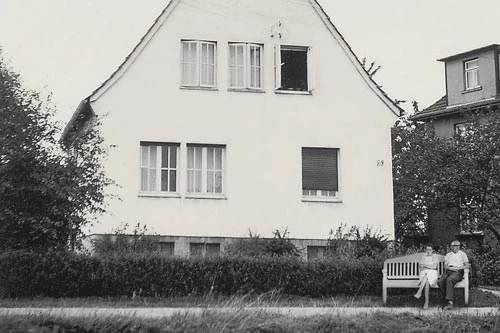
1956 – Bielefeld, Im Strohsiek 29

On September 3, 1956, Heinrich Torwegge and his wife decided to venture into self-employment by establishing a castors and wheels trade from their home. The basement was outfitted with shelves, a workbench, a vice, and various wrenches to serve as the initial setup. During the day, Heinrich Torwegge worked as a sales representative, while at night, he assembled wheels and castors.

A white house with a pointed roof features several windows, accompanied by a front yard with greenery. A bench is positioned in front where two individuals sit, creating a nostalgic atmosphere.
A storefront displays a collection of industrial wheels and a transport trolley inside. The entrance features a sign reading -DER-TORWEGGE.- A motorcycle is parked nearby on the street.

1957-1959 – Bielefeld, Gehrenberg

The Torwegge family opened their first small shop in the city center of Bielefeld. The work primarily involved assembling castors, with the rubber being pressed onto the rims using a vice and then bolted into place.

During this time, Ingrid Langenscheidt was completing her apprenticeship at another company but later joined her father to support him in the shop, where she finished her training.

1960-1963 – Bielefeld, Ravensberger Straße at the Corner of Ulmenwall

With the move to this building, Torwegge had a display window for the first time, allowing the company to showcase not only a wide range of wheels and castors but also its transport equipment.

Showcases feature various industrial wheels, castors, and trolleys in well-lit window displays. Text identifies the establishment as a provider of components for wheels and material handling equipment.
A corner building features large arched windows and a double door entrance. Storefronts display the sign -HAAGEN-TORWEGE- prominently. The cobblestone street is visible, along with a parked car nearby.

1963-1970 – Brunnenstraße at the Corner of August-Schröder-Straße

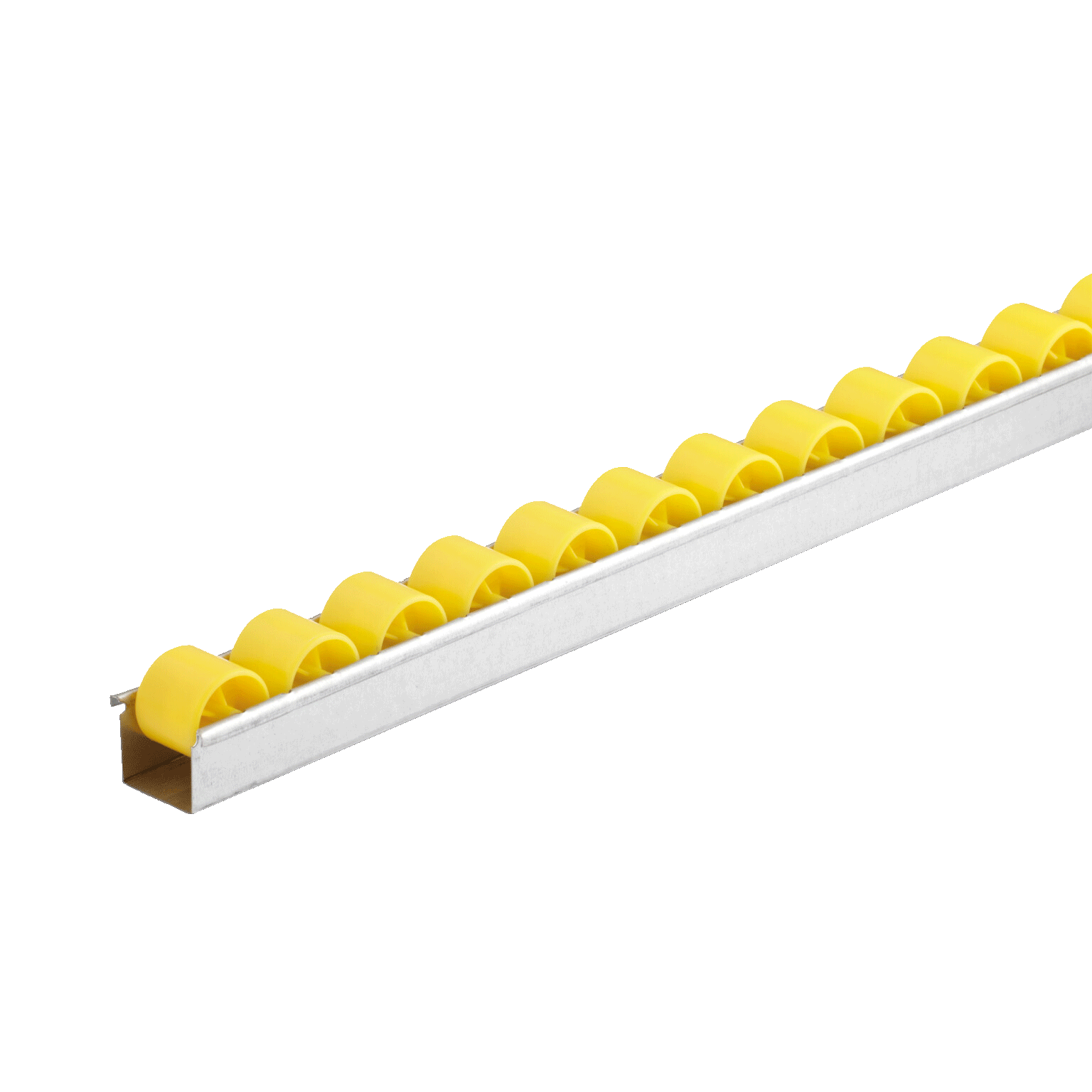
To expand the business, Heinrich Torwegge rented a ground-floor apartment at this location, using the bathtub to store pneumatic wheels. During this time, Ingrid Langenscheidt married her husband Horst, who brought his technical expertise as a mechanic and metalworker into the Torwegge family. Horst Langenscheidt produced castor and roller tracks in his metal workshop in Quelle, paving the way for these products to later become part of the TORWEGGE product range.

1969-1976 – Bielefeld, Ulmenwall at the Corner of Rohrteichstraße

At this location, Heinrich Torwegge finally rented an entire shop, marking a significant step forward for the business. From 1971 to 1973, the Torwegge family also operated a hall in Brake, where roller tracks were manufactured for the furniture industry. Horst Langenscheidt was employed there and oversaw production.

A corner shop features large glass windows displaying various wheels and castors, with the name -RÄDER-TORWEGGE- prominently on the facade. Surrounding buildings and a street sign are visible.
A blue delivery truck is parked at a loading dock, featuring a fabric cover with -RÄDER-TORWEGGE BIELEFELD- printed on it. A warehouse door is partially open in the background.

1976-1985 – Eckendorfer Straße

With the move to Eckendorfer Straße, TORWEGGE acquired a large warehouse with multiple office spaces. Initially supported by three field sales representatives, the company expanded its reach to the regions north and south of the Teutoburg Forest as well as the Sauerland. Horst Langenscheidt also grew the sales of conveyor technology products, while the wheels and castors business continued to thrive.

After ten years of raising children, Ingrid Langenscheidt decided to rejoin the business and became part of the TORWEGGE team again in 1977.

1985-2000 – Schelpmilser Weg: The First Company-Owned Building

In 1985, Heinrich Torwegge constructed the company’s first building, featuring approximately 1,000 square meters of warehouse space and 250 square meters of office space. The business and revenue grew rapidly, leading to expansions in 1988 with an additional 800 square meters of warehouse space and in 1991 with 250 square meters of office space.

After the passing of Horst Langenscheidt in 1996, Ingrid Langenscheidt's youngest son, Volker Langenscheidt, joined the company. He took over the task of creating technical drawings for the production of roller tracks.

By 1998, the building at Schelpmilser Weg had become too small, prompting TORWEGGE to begin the search for a new company headquarters.

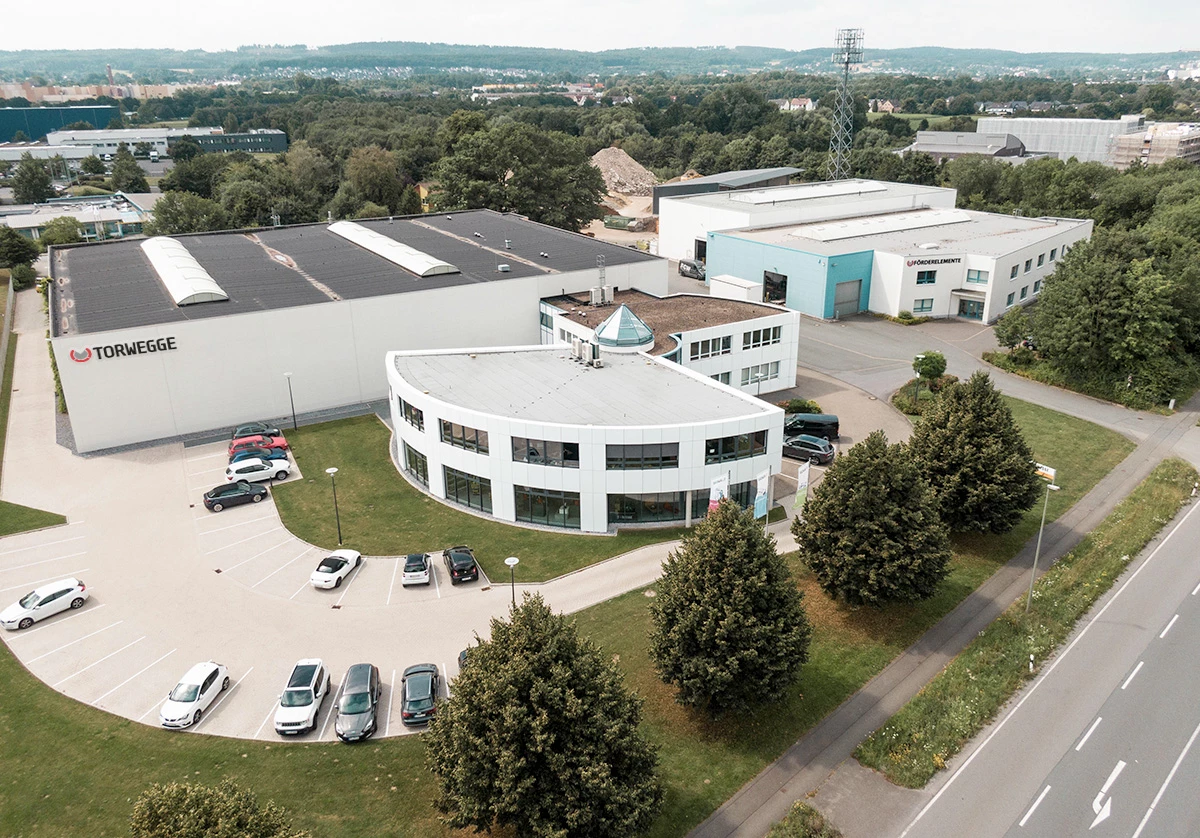
Aerial view of an industrial complex featuring several buildings with flat roofs, parking areas, and greenery surrounding the site. One building displays the name -TORWEGGE.- Adjacent structures have varied roof styles.
A modern building with large glass windows bears the sign -TORWEGGE- at the top. Surrounding greenery includes small trees and a landscaped area, indicating a clean industrial environment. The structure appears well-lit.

1994-Present – Opening of the Glauchau Location

TORWEGGE initially expanded into the newly accessible eastern regions with the help of a sales representative. In 1994, the company established its current location in Glauchau.

After Horst Langenscheidt's passing in 1996, Ingrid Langenscheidt alternated her work between the Bielefeld and Glauchau locations. The Glauchau branch has developed positively over the years and remains a key strategic hub for the Eastern European market.

Aerial view of the Torwegge industrial complex featuring a modern, curved office building with large windows, surrounded by parking spaces filled with cars and greenery. Other industrial warehouses are visible in the background.
2000-2008-2022 – Bielefeld Oldermanns Hof 6

  • In 2000, TORWEGGE built its current headquarters in Bielefeld at a cost of €4 million. The sales of conveyor components grew significantly, leading to a large portion of these products being manufactured in-house. 
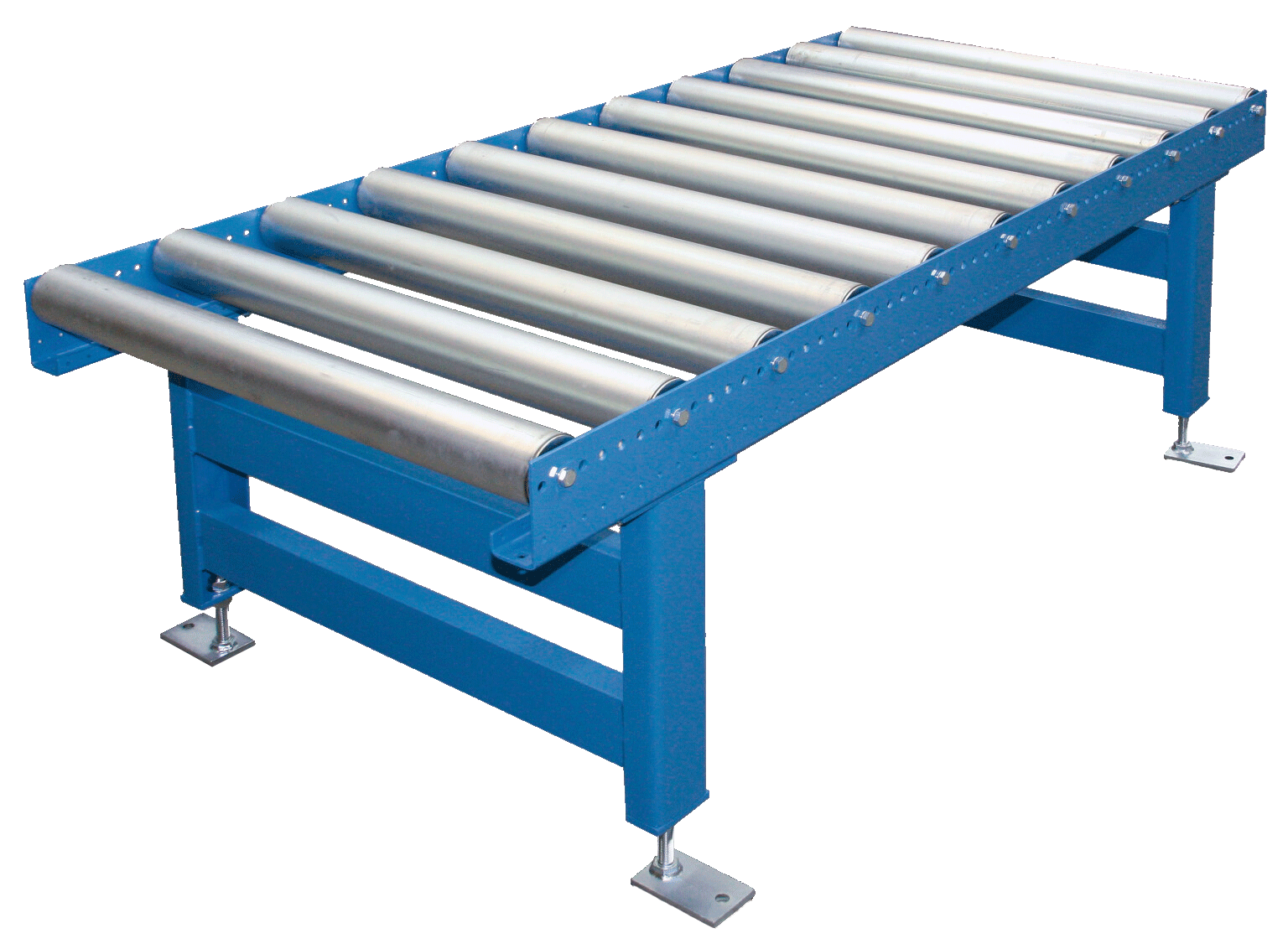
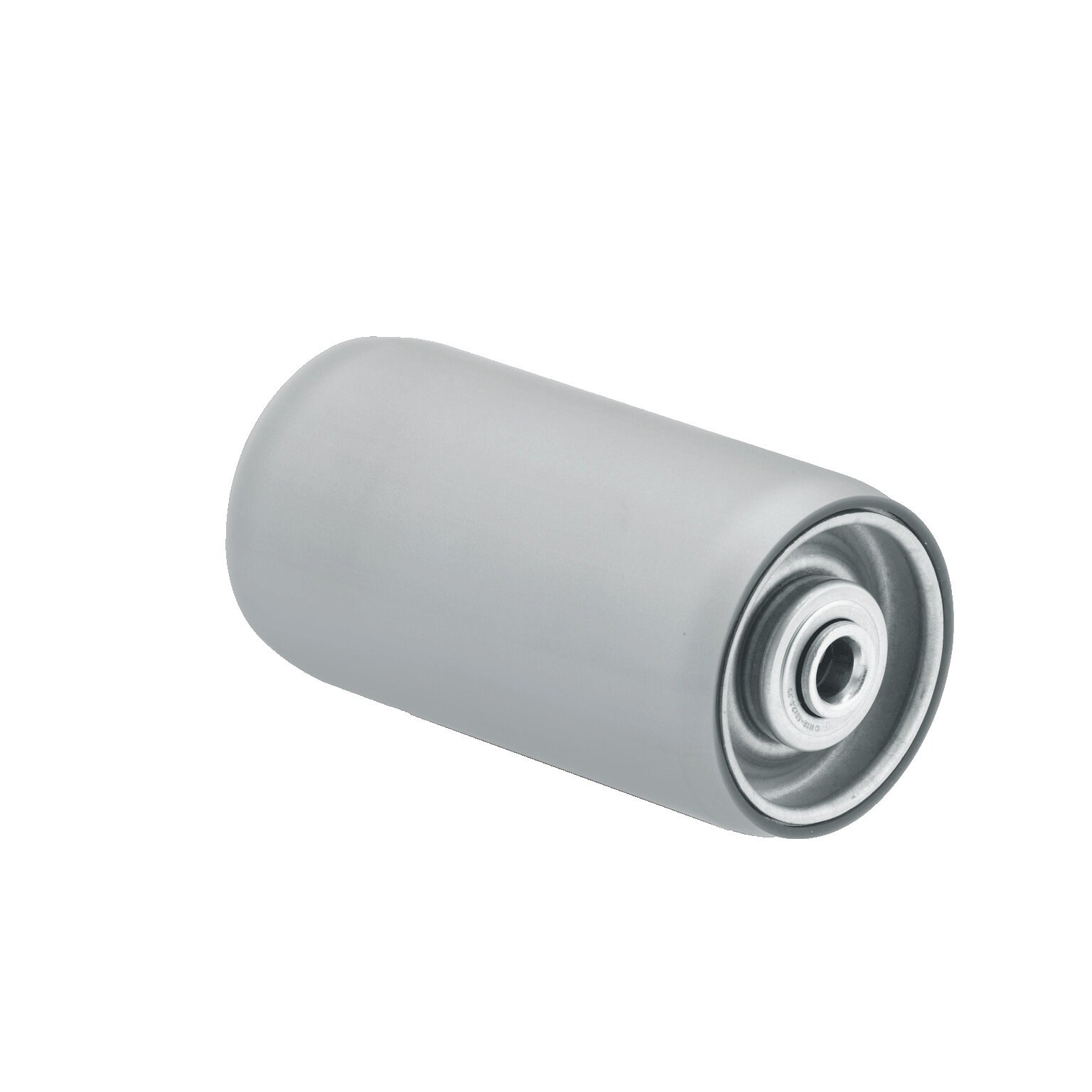
  • In 2007, an expansion was added to accommodate the growing conveyor technology sector. Under the leadership of Volker Langenscheidt, the Blue Hall Production began manufacturing components such as carrying rollers, roller rails, conveyor tracks, and more for TORWEGGE. 
  • In 2022, the Blue Hall Production was rebranded as Torwegge Förderelemente GmbH & Co. KG. & Co. KG umfirmiert.
  • 2000-2008-2022 – Bielefeld Oldermanns Hof 6

    • In 2000, TORWEGGE built its current headquarters in Bielefeld at a cost of €4 million. The sales of conveyor components grew significantly, leading to a large portion of these products being manufactured in-house.
    • In 2007, an expansion was added to accommodate the growing conveyor technology sector. Under the leadership of Volker Langenscheidt, the Blue Hall Production began manufacturing components such as carrying rollers, roller rails, conveyor tracks, and more for TORWEGGE.
    • In 2022, the Blue Hall Production was rebranded as Torwegge Förderelemente GmbH & Co. KG.
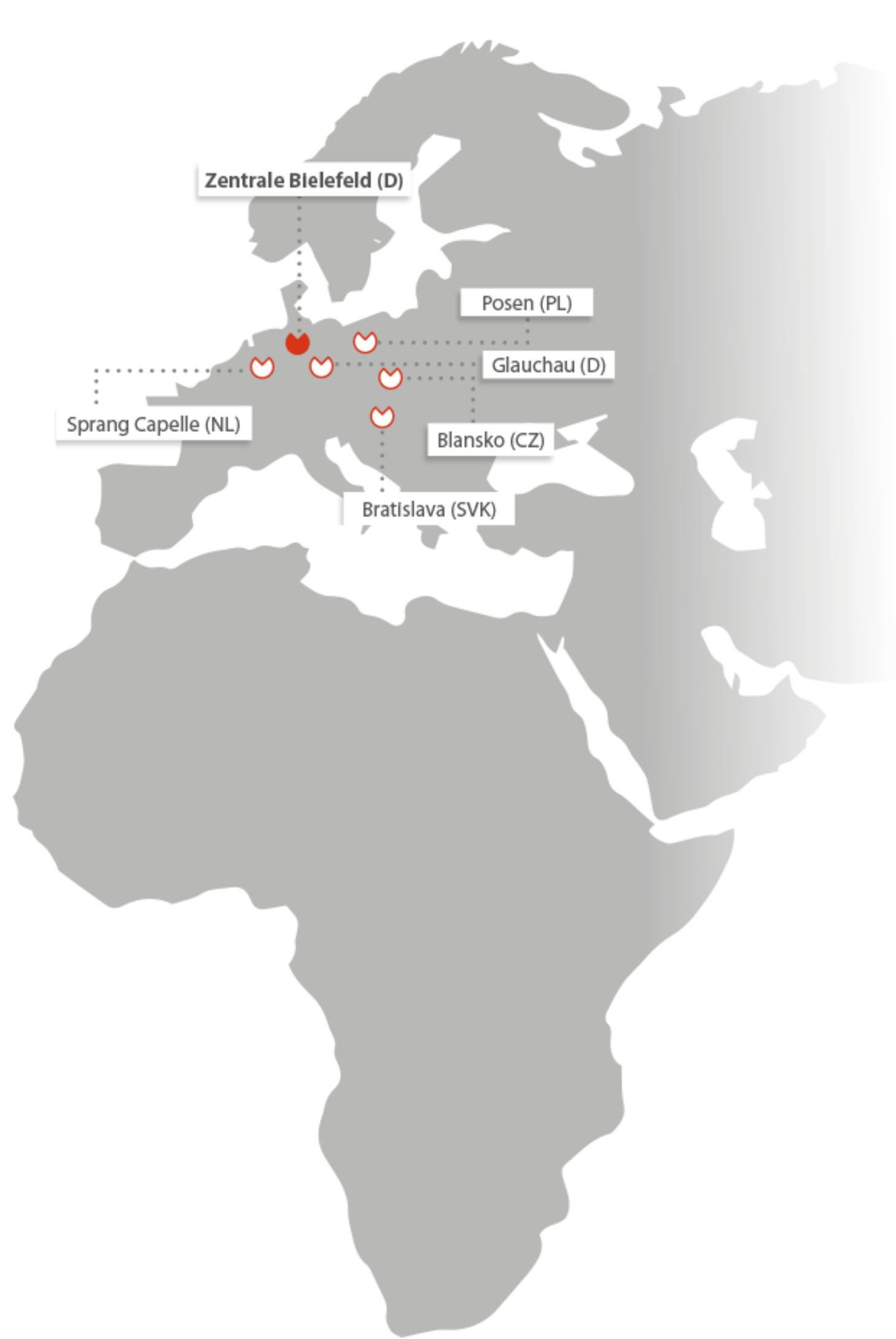
    Map displaying locations in Europe, including Bielefeld (Germany), Posen (Poland), Glauchau (Germany), Blansko (Czech Republic), Bratislava (Slovakia), and Sprang Capelle (Netherlands). Red markers indicate specific sites.

    2009- 2020 – Establishment of Additional International Branches

    2009 TORWEGGE Wielen B.V. was founded in Sprang-Capelle, Netherlands.

    2012 TORWEGGE Slovensko s.r.o. was established in Bratislava, Slovakia.

    2013Torwegge CZ, s.r.o. was founded in Blansko, Czech Republic.

    2020TORWEGGE POLSKA Sp. z o.o. was launched in Poznan, Poland.

    2019 – Establishment of the Heinrich TORWEGGE Foundation

    In 2019, the TORWEGGE Foundation was established. It ensures the continuity of the company and secures numerous jobs for the future.

    -
    -

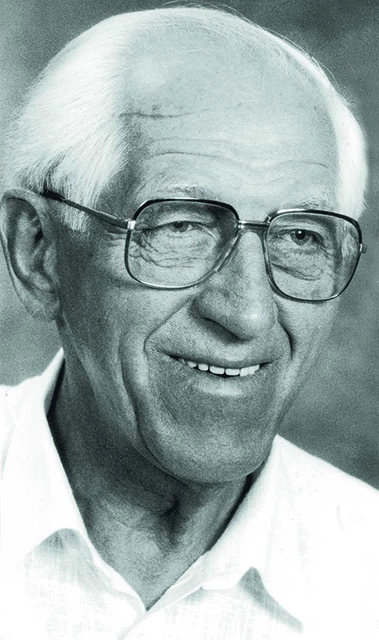
    July 16, 2021 – Passing of Our Esteemed Shareholder Ingrid Langenscheidt

    With her strong personality and exceptional entrepreneurial skills, Mrs. Langenscheidt further developed and strengthened the TORWEGGE company and its legacy. With boundless energy and decisive leadership, she drove the growth and success of TORWEGGE forward. Her joy and tireless dedication to the company and its employees will be deeply missed.

    As a forward-thinking entrepreneur, she ensured the continuity of the corporate group. We, as management and employees, are committed to carrying on the company in her spirit.

    With deep gratitude, we will always honor her memory.

    A white house with a pointed roof features several windows, accompanied by a front yard with greenery. A bench is positioned in front where two individuals sit, creating a nostalgic atmosphere.
    1956 – Bielefeld, Im Strohsiek 29

    On September 3, 1956, Heinrich Torwegge and his wife decided to venture into self-employment by establishing a castors and wheels trade from their home. The basement was outfitted with shelves, a workbench, a vice, and various wrenches to serve as the initial setup. During the day, Heinrich Torwegge worked as a sales representative, while at night, he assembled wheels and castors.
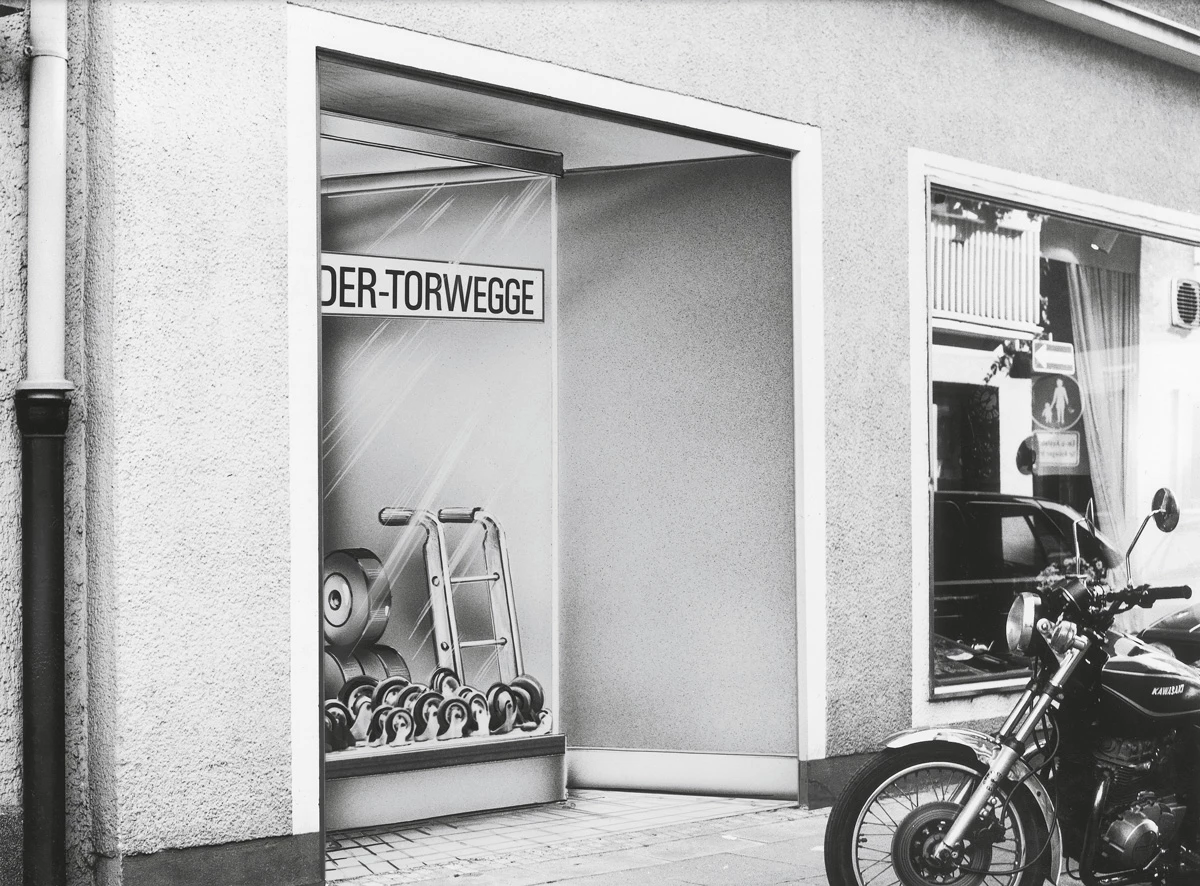
    A storefront displays a collection of industrial wheels and a transport trolley inside. The entrance features a sign reading -DER-TORWEGGE.- A motorcycle is parked nearby on the street.
    1957-1959 – Bielefeld, Gehrenberg

    The Torwegge family opened their first small shop in the city center of Bielefeld. The work primarily involved assembling castors, with the rubber being pressed onto the rims using a vice and then bolted into place.
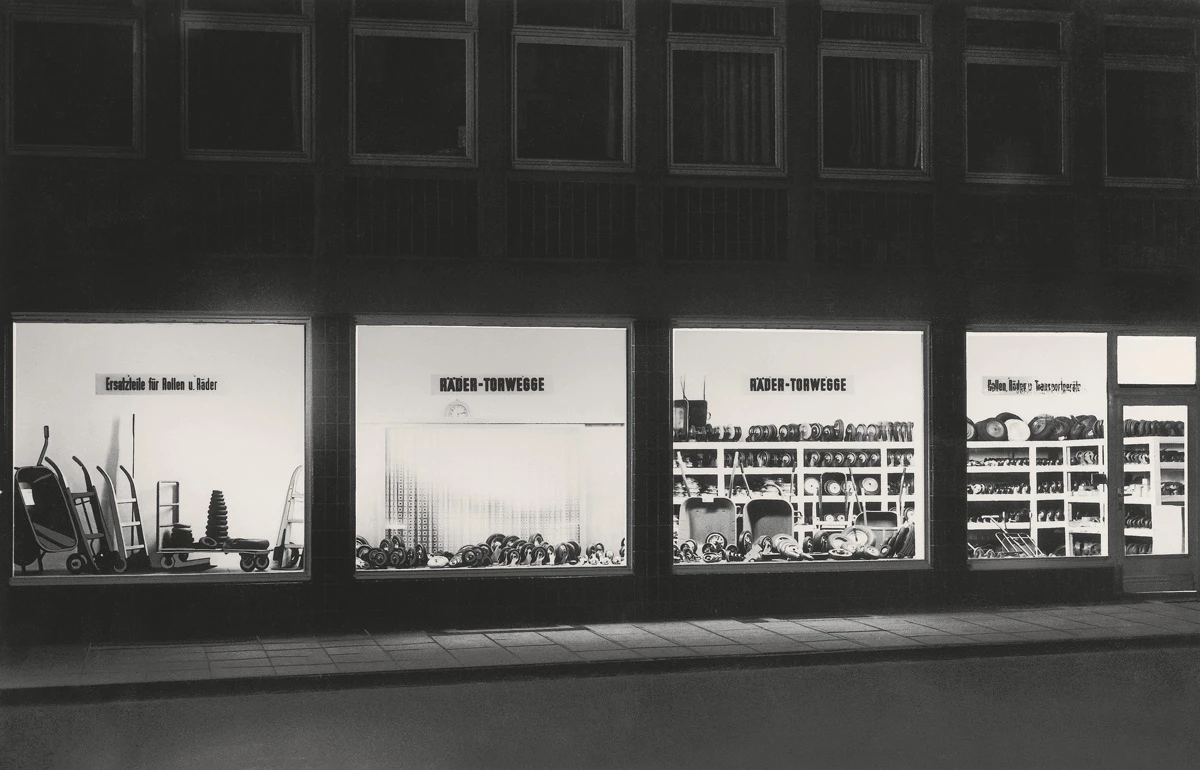

    Showcases feature various industrial wheels, castors, and trolleys in well-lit window displays. Text identifies the establishment as a provider of components for wheels and material handling equipment.
    1960-1963 – Bielefeld Ravensberger Straße at the corner of Ulmenwall

    With the move to this building, Torwegge had a display window for the first time, allowing the company to showcase not only a wide range of wheels and castors but also its transport equipment.
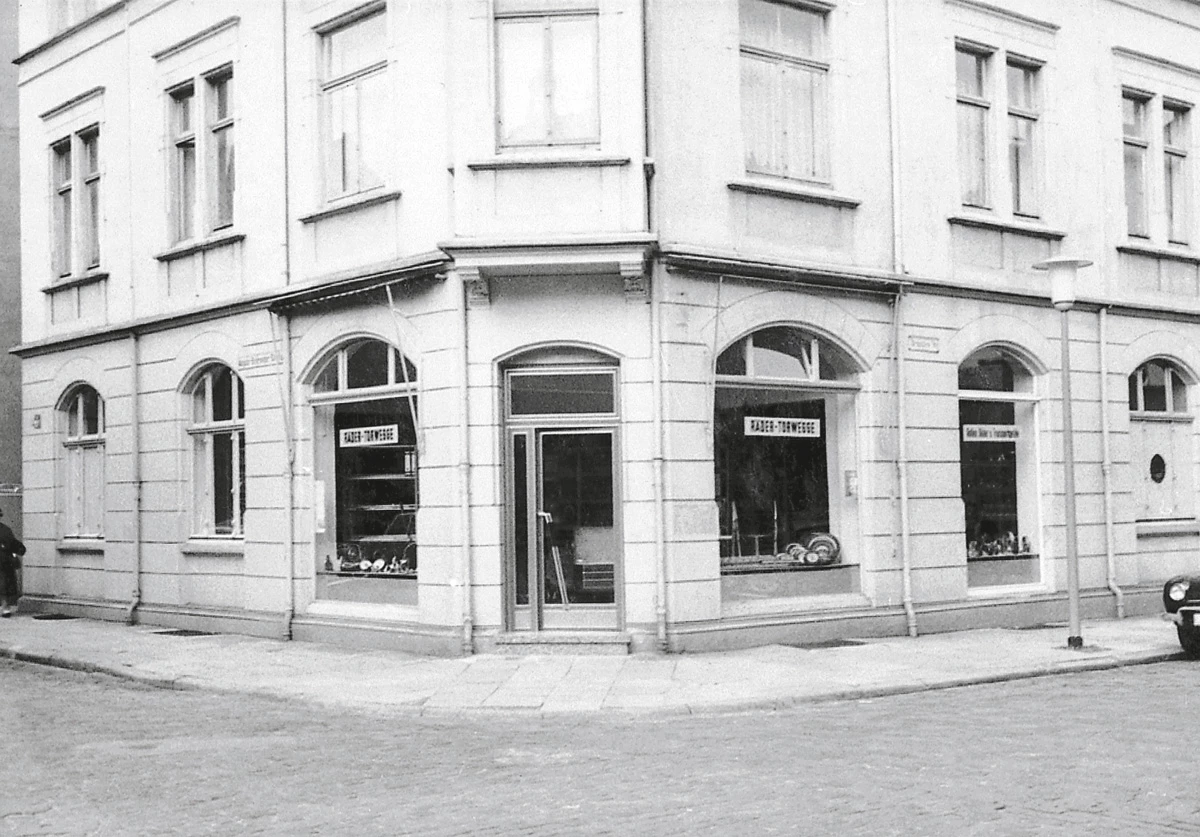
    A corner building features large arched windows and a double door entrance. Storefronts display the sign -HAAGEN-TORWEGE- prominently. The cobblestone street is visible, along with a parked car nearby.
    1963-1970 – Brunnenstraße at the corner August-Schröder-Straße

    To expand the business, Heinrich Torwegge rented a ground-floor apartment at this location, using the bathtub to store pneumatic wheels. During this time, Ingrid Langenscheidt married her husband Horst, who brought his technical expertise as a mechanic and metalworker into the Torwegge family. Horst Langenscheidt produced castor and roller tracks in his metal workshop in Quelle, paving the way for these products to later become part of the TORWEGGE product range.
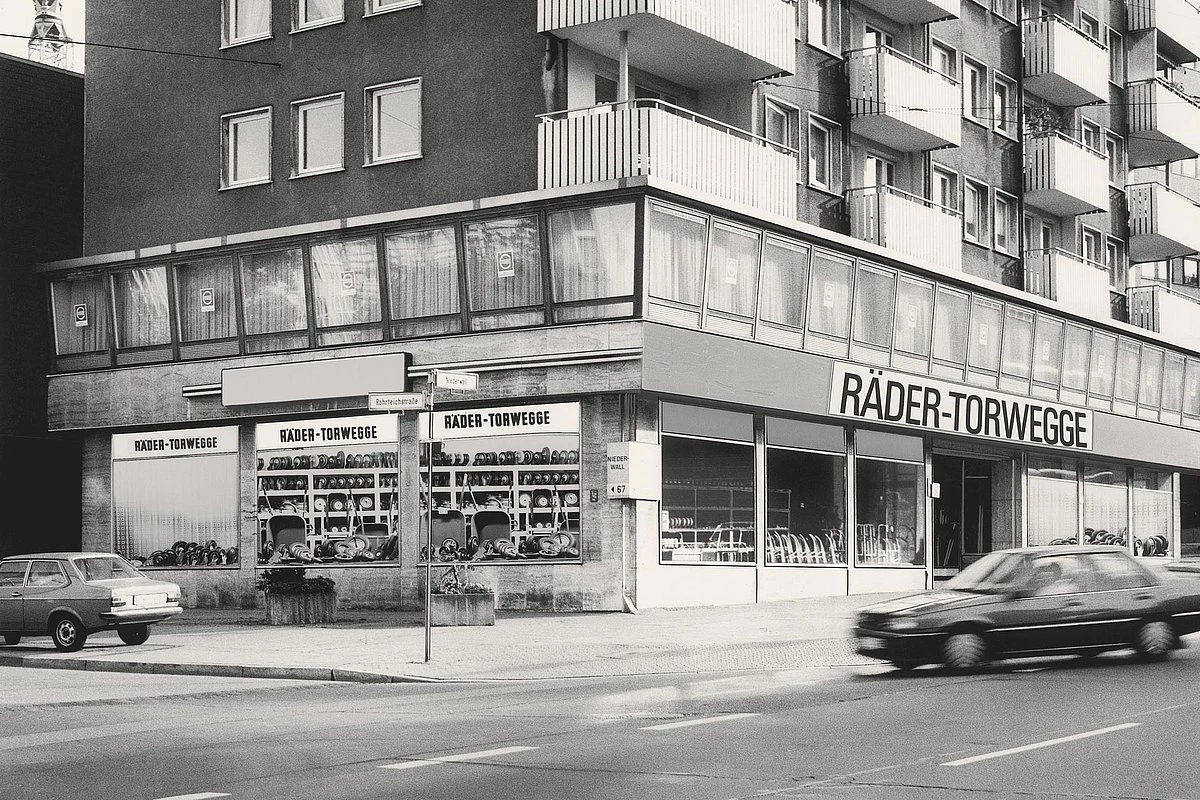
    A corner shop features large glass windows displaying various wheels and castors, with the name -RÄDER-TORWEGGE- prominently on the facade. Surrounding buildings and a street sign are visible.
    1969-1976 – Bielefeld Ulmenwall at the corner Rohrteichstraße

    At this location, Heinrich Torwegge finally rented an entire shop, marking a significant step forward for the business. From 1971 to 1973, the Torwegge family also operated a hall in Brake, where roller tracks were manufactured for the furniture industry. Horst Langenscheidt was employed there and oversaw production.
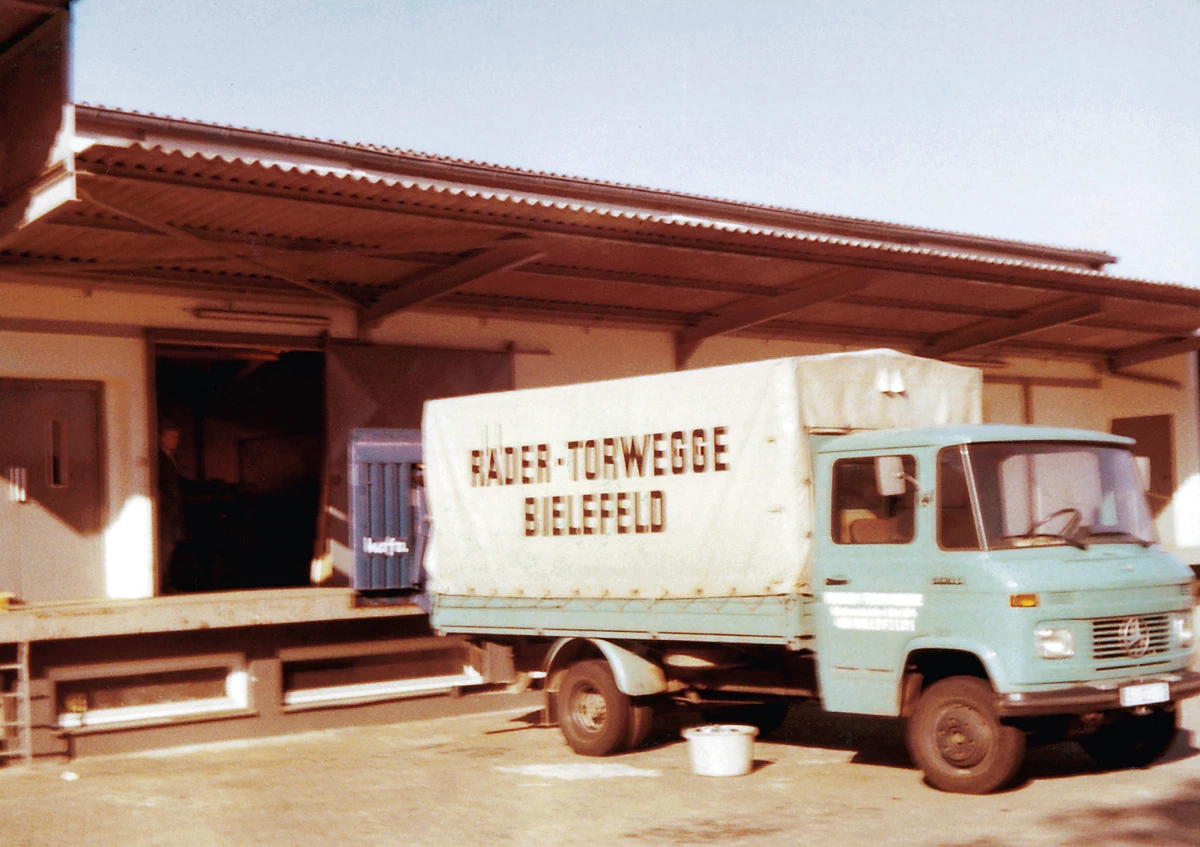
    A blue delivery truck is parked at a loading dock, featuring a fabric cover with -RÄDER-TORWEGGE BIELEFELD- printed on it. A warehouse door is partially open in the background.
    1976-1985 – Eckendorfer Straße

    With the move to Eckendorfer Straße, TORWEGGE acquired a large warehouse with multiple office spaces. Initially supported by three field sales representatives, the company expanded its reach to the regions north and south of the Teutoburg Forest as well as the Sauerland. Horst Langenscheidt also grew the sales of conveyor technology products, while the wheels and castors business continued to thrive.

    After ten years of raising children, Ingrid Langenscheidt decided to rejoin the business and became part of the TORWEGGE team again in 1977.
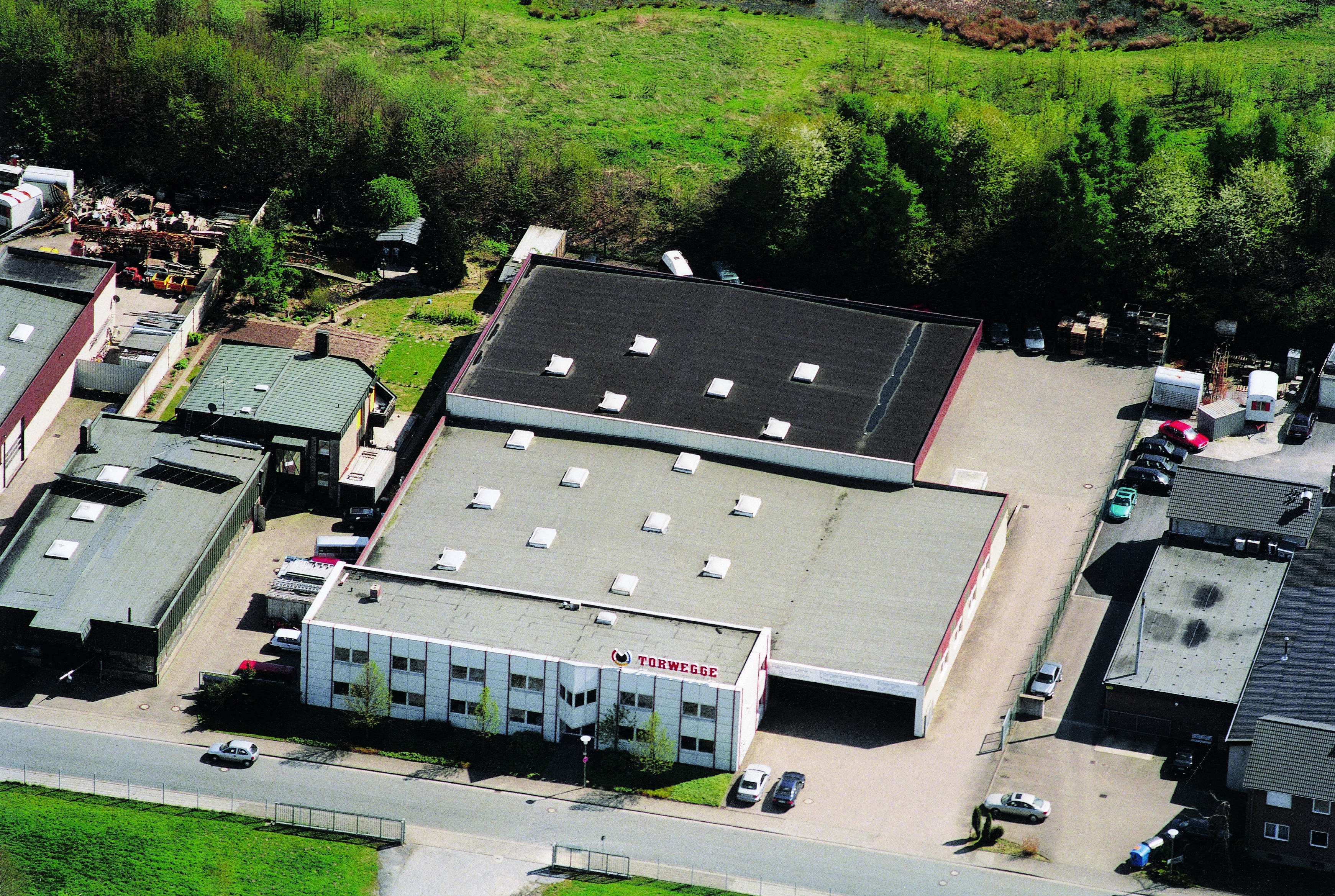
    Aerial view of an industrial complex featuring several buildings with flat roofs, parking areas, and greenery surrounding the site. One building displays the name -TORWEGGE.- Adjacent structures have varied roof styles.
    1985-2000 – Schelpmilser Weg: The first company-owned building

    In 1985, Heinrich Torwegge constructed the company’s first building, featuring approximately 1,000 square meters of warehouse space and 250 square meters of office space. The business and revenue grew rapidly, leading to expansions in 1988 with an additional 800 square meters of warehouse space and in 1991 with 250 square meters of office space.

    After the passing of Horst Langenscheidt in 1996, Ingrid Langenscheidt's youngest son, Volker Langenscheidt, joined the company. He took over the task of creating technical drawings for the production of roller tracks.

    By 1998, the building at Schelpmilser Weg had become too small, prompting TORWEGGE to begin the search for a new company headquarters.
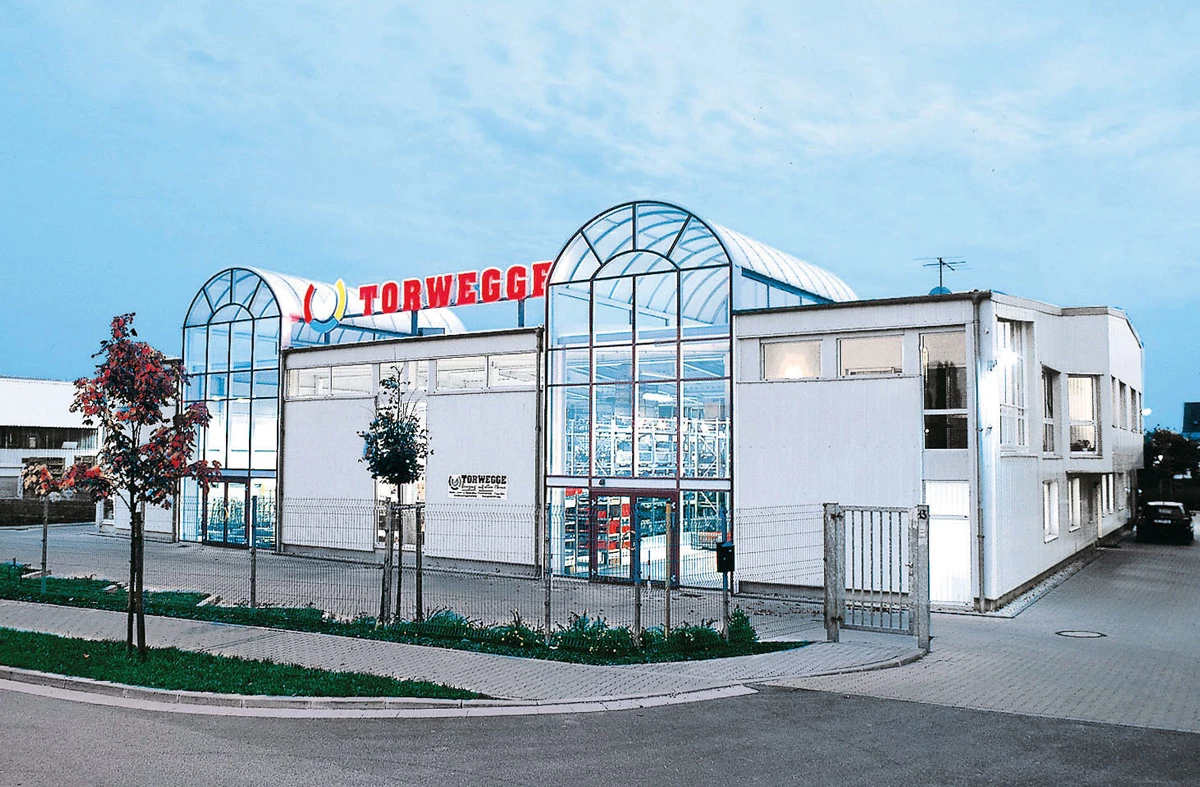

    A modern building with large glass windows bears the sign -TORWEGGE- at the top. Surrounding greenery includes small trees and a landscaped area, indicating a clean industrial environment. The structure appears well-lit.
    1994-Present - Opening of the Glauchau location

    TORWEGGE initially expanded into the newly accessible eastern regions with the help of a sales representative. In 1994, the company established its current location in Glauchau.

    After Horst Langenscheidt's passing in 1996, Ingrid Langenscheidt alternated her work between the Bielefeld and Glauchau locations. The Glauchau branch has developed positively over the years and remains a key strategic hub for the Eastern European market.
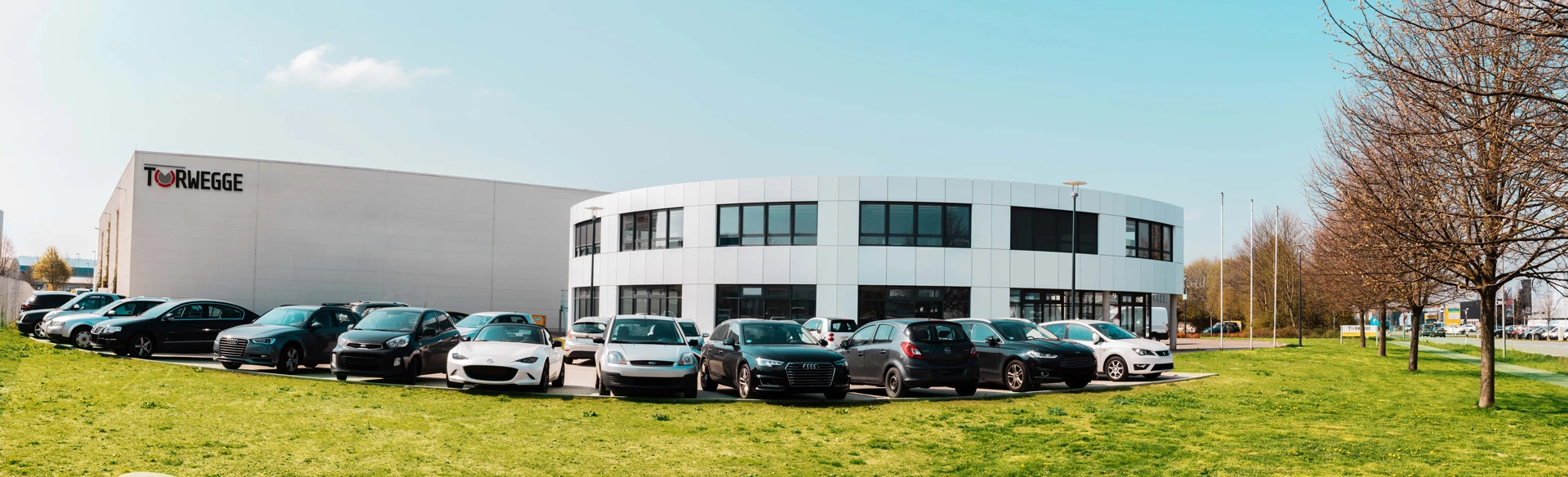
    A modern building features large windows and a sign that reads -Torwegge.- Several parked cars are arranged in front on a grassy area, with trees lining the surroundings under a clear sky.
    2000-2008-2022 – Bielefeld Oldermanns Hof 6
    • In 2000, TORWEGGE built its current headquarters in Bielefeld at a cost of €4 million. The sales of conveyor components grew significantly, leading to a large portion of these products being manufactured in-house.
    • In 2007, an expansion was added to accommodate the growing conveyor technology sector. Under the leadership of Volker Langenscheidt, the Blue Hall Production began manufacturing components such as carrying rollers, roller rails, conveyor tracks, and more for TORWEGGE.
    • In 2022, the Blue Hall Production was rebranded as Torwegge Förderelemente GmbH & Co. KG.
    Map displaying locations in Europe, including Bielefeld (Germany), Posen (Poland), Glauchau (Germany), Blansko (Czech Republic), Bratislava (Slovakia), and Sprang Capelle (Netherlands). Red markers indicate specific sites.
    2009-2020 – Establishment of Additional International Branches

    2009 TORWEGGE Wielen B.V. was founded in Sprang-Capelle, Netherlands.

    2012 TORWEGGE Slovensko s.r.o. was established in Bratislava, Slovakia.

    2013 Torwegge CZ, s.r.o. was founded in Blansko, Czech Republic.

    2020 

    2020: TORWEGGE POLSKA Sp. z o.o. was launched in Poznan, Poland.
    -
    2019 – Establishment of the Heinrich TORWEGGE Foundation
    In 2019, the TORWEGGE Foundation was established. It ensures the continuity of the company and secures numerous jobs for the future.
    -
    July 16, 2021 – Passing of Our Esteemed Shareholder Ingrid Langenscheidt

    With her strong personality and exceptional entrepreneurial skills, Mrs. Langenscheidt further developed and strengthened the TORWEGGE company and its legacy. With boundless energy and decisive leadership, she drove the growth and success of TORWEGGE forward. Her joy and tireless dedication to the company and its employees will be deeply missed.

    As a forward-thinking entrepreneur, she ensured the continuity of the corporate group. We, as management and employees, are committed to carrying on the company in her spirit.

    With deep gratitude, we will always honor her memory.

    Product request